Property For Sale In Italy Tuscany Region
Property for Sale in Italy Tuscany Region invites you to explore the breathtaking landscapes and rich cultural heritage that this iconic area has to offer. Nestled in the heart of Italy, Tuscany boasts rolling hills, historic towns, and Mediterranean charm that together create an ideal backdrop for your dream home. The region is renowned not only for its stunning natural beauty but also for its significant historical landmarks, delicious cuisine, and vibrant lifestyle, making it a desirable location for both residential living and investment opportunities.
With its unique blend of tradition and modernity, Tuscany’s real estate market presents a variety of options tailored to diverse tastes and budgets. From luxurious villas surrounded by vineyards to quaint farmhouses in picturesque villages, the properties available cater to every preference. Understanding the latest market trends, legal considerations, and financing options will empower you to make informed decisions in this captivating region.






Overview of Tuscany Region
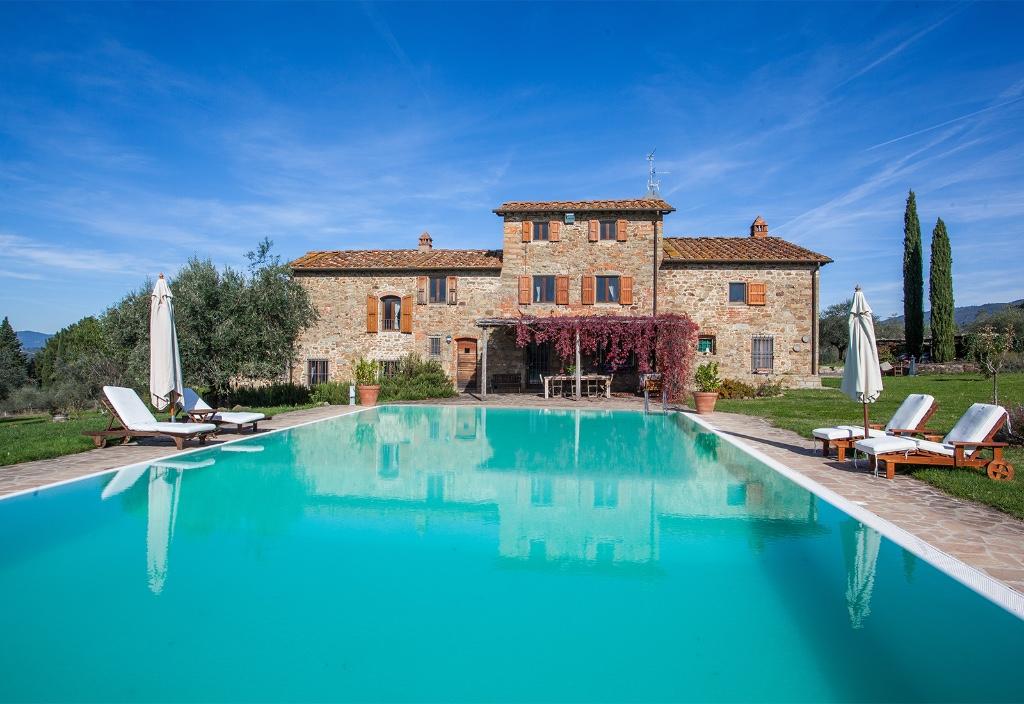
Tuscany, located in central Italy, is a region celebrated for its breathtaking landscapes, rich history, and cultural heritage. Encompassing rolling hills, vineyards, olive groves, and coastal areas, its geographical features provide a picturesque canvas that attracts visitors and prospective homeowners alike. With a temperate climate that features warm summers and mild winters, Tuscany offers an inviting environment for both residents and tourists throughout the year.
The cultural significance of Tuscany is profound, as it has been a cradle for renaissance art, literature, and philosophy. Renowned figures such as Leonardo da Vinci, Michelangelo, and Dante Alighieri emerged from this region, leaving an indelible mark on global culture. The historical context of Tuscany can be traced back to ancient times, with influences from the Etruscans, Romans, and the Medicis, all of whom contributed to the rich tapestry of Tuscan identity.
Geographical Features and Climate
Tuscany’s geography is characterized by a diverse array of landscapes ranging from coastal areas along the Tyrrhenian Sea to the Apennine mountains. The region is marked by its rolling hills, which are dotted with charming medieval towns and vibrant vineyards. The climate is typically Mediterranean, which is conducive to the growth of grapes and olives, making the region a significant hub for wine and olive oil production.
Key geographical highlights include:
- Chianti Valley: Famous for its red wines, this area offers a landscape of vineyards and olive groves that stretch as far as the eye can see.
- Val d’Orcia: A UNESCO World Heritage site, known for its stunning natural beauty and picturesque towns like Pienza and Montalcino.
- Coastal Areas: Coastal towns such as Viareggio and Forte dei Marmi feature sandy beaches and vibrant seaside promenades, enhancing the region’s appeal.
Cultural Significance
The cultural impact of Tuscany extends beyond its landscapes, deeply rooted in its contributions to art, architecture, and gastronomy. Tuscany is often hailed as the birthplace of the Renaissance, a period that saw a flourishing of art and intellect. The region is home to numerous museums and galleries that showcase masterpieces from renowned artists.
Important cultural landmarks include:
- The Uffizi Gallery: Located in Florence, this world-famous gallery houses works by Botticelli, Michelangelo, and da Vinci.
- The Leaning Tower of Pisa: An iconic symbol of Italy, this architectural marvel attracts millions of visitors each year.
- The Duomo of Florence: With its stunning dome designed by Brunelleschi, this cathedral is a testament to Gothic architecture and artistry.
Historical Landmarks
Tuscany’s historical landmarks reflect its rich past and are a testament to its architectural evolution. The region’s cities are adorned with medieval castles, fortified towns, and grand palaces, each narrating the tales of various historical periods.
Prominent historical sites include:
- San Gimignano: Known as the “Town of Fine Towers,” it features well-preserved medieval architecture and 14 towers that define its skyline.
- Volterra: An ancient Etruscan city with a wealth of archaeological sites and a rich history dating back to the 8th century BC.
- Castello di Brolio: A historic castle that oversees the Chianti region, offering stunning views and insight into Tuscany’s noble past.
Real Estate Market Trends in Tuscany
The real estate market in Tuscany has seen significant evolution in recent years, reflecting a blend of local charm and international interest. The region’s allure, characterized by its scenic landscapes, rich history, and culinary heritage, has positioned it as an attractive destination for investors and second-home buyers alike. Understanding current market trends is essential for potential buyers and sellers to navigate this vibrant landscape effectively.
Recent trends indicate that the property market in Tuscany is experiencing a gradual recovery, with an increase in both the number of transactions and property values. After a period of stagnation, the market is revitalized, driven by a mix of domestic and international buyers seeking to capitalize on Tuscany’s unique offerings. Key factors influencing this trend include economic recovery post-pandemic, favorable mortgage rates, and a growing demand for rural and semi-rural properties as lifestyles shift toward more space and tranquility.
Factors Influencing the Property Market
Various elements contribute to the dynamic property market in Tuscany. Understanding these factors can provide insight into future trends and investment opportunities:
- Tourism Impact: The influx of tourists, particularly from the United States and the United Kingdom, has positively influenced property demand. Tuscany’s reputation as a holiday destination enhances the appeal of investing in vacation rentals and second homes.
- Government Incentives: The Italian government has implemented various incentives for foreign buyers, including tax breaks and reduced notary fees, which stimulate foreign investment.
- Remote Work Flexibility: The rise of remote work has led many individuals to reconsider their living situations, with more people relocating from urban centers to scenic areas in Tuscany.
- Environmental Considerations: There is a growing preference for properties that adhere to sustainable building practices, influencing buyer choices and property values.
Impact of Tourism on Real Estate Prices
Tourism plays a critical role in shaping real estate prices across Tuscany. The relationship between the two is evident in several aspects:
The high tourist footfall in historical cities like Florence, Siena, and Pisa creates a robust demand for rental properties. As tourists seek authentic experiences, short-term rentals are increasingly popular, driving prices upward. Additionally, the seasonal nature of tourism means that property owners can capitalize on peak travel periods by offering vacation rentals.
Furthermore, regions that are less traditionally touristy, such as the Val d’Orcia and Chianti, have also started to see property price increases, attributable to a heightened interest in rural tourism and agritourism experiences.
In summary, Tuscany’s real estate market is currently marked by notable growth and diversification. The interplay between tourism dynamics, economic factors, and lifestyle changes continues to influence property values and demand, making it an opportune time for interested buyers and investors to explore the possibilities within this enchanting region.
Types of Properties Available for Sale
Tuscany is renowned for its enchanting landscapes and historic charm, offering a diverse array of properties that cater to varying tastes and preferences. From rustic farmhouses nestled in the rolling hills to elegant villas overlooking the vineyards, the Tuscan real estate market is vibrant and inviting. This region provides potential buyers with a wealth of options, each with its distinct character and allure.
Traditional Tuscan architecture is characterized by its warm colors, terracotta roofs, and rustic stone façades. The design often incorporates natural materials, creating a harmonious blend with the surrounding landscape. Arched doorways, wooden beams, and intricate tile work are common features, reflecting the region’s rich history and craftsmanship. This architectural style not only enhances the aesthetic appeal of properties but also provides a sense of authenticity and connection to the Tuscan way of life.
Types of Properties Available
The diversity of properties in Tuscany can be categorized into several types, each offering unique advantages and experiences. The following list Artikels the primary types of properties available for sale in the region:
- Villas: Luxurious and spacious, villas are often set within lush gardens and offer stunning views. They are perfect for those seeking an opulent lifestyle in Tuscany.
- Apartments: Ideal for urban living, apartments can be found in historic towns and cities, providing convenient access to local amenities and cultural attractions.
- Farmhouses: These properties exude rustic charm and are typically situated in rural areas. They offer a peaceful retreat and opportunities for agricultural activities.
- Castles: For those looking for a piece of history, Tuscany has several castles for sale, often featuring extensive grounds and unique architectural details.
- Country Houses: A blend of comfort and tranquility, country houses provide a cozy living experience amidst the beautiful Tuscan countryside.
Purchasing a property in Tuscany also presents a choice between rural and urban areas, each with its distinctive advantages. Rural properties often offer expansive views, serene environments, and opportunities for agritourism or farming, appealing to those who cherish nature and solitude. In contrast, urban properties facilitate a vibrant lifestyle with access to cultural events, restaurants, and shops, making them ideal for those seeking a dynamic living experience. Ultimately, the choice between rural and urban depends on individual lifestyle preferences and investment goals.
Legal Considerations for Buyers
Purchasing property in the Tuscany region of Italy involves a number of legal considerations that potential buyers should be fully aware of. Understanding these legal requirements is essential for a smooth and successful transaction, particularly for foreign buyers who may be unfamiliar with the Italian property market and its regulations.
The legal landscape in Italy encompasses various aspects that buyers must navigate, from documentation and contractual obligations to the roles of professionals involved in the buying process. Familiarizing oneself with these elements can prevent potential legal pitfalls and ensure a secure investment.
Legal Requirements for Purchasing Property, Property for Sale in Italy Tuscany Region
In Italy, the process of purchasing property is governed by distinct legal frameworks that include several mandatory steps. Before proceeding with a property purchase, it is important to understand the following requirements:
1. Tax Identification Number: Foreign buyers must obtain a Codice Fiscale, which is a tax identification number used in Italy. This number is essential for any legal transaction, including purchasing property.
2. Preliminary Agreement (Compromesso): This is a legally binding agreement between the buyer and seller, detailing the terms and conditions of the sale. A deposit, typically 10-30% of the purchase price, is usually required at this stage.
3. Final Deed (Rogito Notarile): The transaction is finalized with the signing of the final deed before a notary. This document officially transfers ownership from the seller to the buyer.
4. Registration: The notary will ensure that the deed is registered with the local land registry, which is critical for the legal recognition of the property transfer.
5. Compliance with Local Laws: Buyers should ensure that the property complies with local zoning laws and building regulations. This may include checking for required permits and adherence to specific municipal regulations.
The Role of Notaries in the Property Buying Process
Notaries play a crucial role in the property buying process in Tuscany, serving as impartial intermediaries who safeguard the interests of both parties. Their responsibilities include:
– Legal Verification: Notaries verify the legal status of the property, ensuring there are no liens, mortgages, or other encumbrances that could affect the buyer’s ownership.
– Drafting the Deed: They are responsible for drafting the final deed of sale, ensuring that all terms agreed upon in the preliminary contract are accurately reflected.
– Tax Calculation and Payment: Notaries calculate the applicable taxes associated with the purchase, including registration taxes, and ensure these are paid to the government.
– Witnessing Signatures: They witness the signing of the final deed, providing legal validation of the transaction and ensuring that all parties are aware of their rights and obligations.
The notary’s involvement in the transaction is not only a legal requirement but also offers protection for both the buyer and seller, fostering transparency and trust in the process.
Tax Implications for Foreign Buyers in Tuscany
Foreign buyers should be aware of the tax implications associated with purchasing property in Tuscany. These can include various taxes that are levied at different stages of the transaction. The following Artikels the primary tax obligations:
– Purchase Taxes: Buyers are responsible for a property transfer tax, which can vary depending on whether the property is classified as a primary residence or a secondary home. The rates typically range from 2% to 9% of the official value of the property.
– Registration Tax: This is a one-time tax paid upon registration of the property deed. The amount varies and is based on the purchase price or the cadastral value of the property.
– Annual Property Taxes: After purchase, property owners must pay IMU (Municipal Property Tax) and TARI (Waste Tax) annually. The IMU tax applies primarily to second homes and investment properties, while the TARI tax is for waste management services.
– Income Tax on Rental Income: For buyers intending to rent out their property, income derived from rentals is subject to taxation. The applicable rate depends on the total rental income generated during the year.
It is recommended that foreign buyers consult with a tax advisor familiar with Italian law to fully understand their tax obligations and optimize their financial planning.
Financing Options for Property Purchases
Purchasing property in the idyllic Tuscany region presents an exciting opportunity, but understanding the financing options available is crucial for prospective buyers. This section will explore various financing avenues, the mortgage acquisition process in Italy, and highlight the significance of careful financial planning when investing in real estate abroad.
Types of Financing Options Available
When considering property purchases in Tuscany, buyers can explore several financing options. These options cater to different financial situations and needs, making it essential to evaluate each carefully. The primary financing avenues include:
- Italian Bank Mortgages: Many Italian banks offer mortgages to non-residents, typically covering up to 70-80% of the property’s value. Interest rates can vary, but they are generally competitive, ranging from 2% to 5%.
- Home Equity Loans: Buyers who already own property may consider using a home equity loan, providing a way to leverage existing assets for the purchase of a new property.
- Personal Loans: Unsecured personal loans may be an option for smaller purchases, although interest rates can be higher compared to secured loans like mortgages.
- Government Schemes: Certain regions in Italy may offer government-backed loans or incentives for property buyers, particularly in rural areas, aimed at revitalizing local economies.
- Investment Partnerships: Partnering with investors can be a strategic move, pooling resources to finance property purchases, especially for larger or more expensive properties.
Process of Obtaining a Mortgage in Italy
The mortgage application process in Italy involves several steps, which buyers should be prepared to navigate. Understanding this process can simplify the journey to securing financing for a property purchase.
Firstly, potential borrowers must gather necessary documentation, which typically includes proof of income, tax returns, and bank statements. Once this documentation is prepared, the next step is to approach various banks or financial institutions to obtain mortgage offers.
After receiving offers, buyers will need to assess the terms, including interest rates, repayment periods, and additional fees. Once a suitable offer is selected, the application can be submitted. The bank will conduct a thorough assessment, including property valuation and financial background checks.
Upon approval, buyers will sign a preliminary agreement, followed by the formal mortgage agreement. It is essential to note that buyers may be required to pay additional costs such as notary fees and registration taxes.
Importance of Financial Planning When Purchasing Property Abroad
Engaging in financial planning is vital when considering property purchases in Tuscany. Proper planning ensures that buyers are not only aware of the purchase price but also of additional costs associated with buying property in Italy.
Essential factors to consider in financial planning include:
- Additional Costs: Beyond the purchase price, buyers should account for notary fees, registration taxes, and potential renovation costs. These expenses can significantly impact the total investment.
- Currency Fluctuations: Buyers should consider the implications of currency fluctuations on their overall budget, especially if financing is obtained in a different currency.
- Long-term Financial Commitment: Understanding the long-term financial obligations, including mortgage repayments and property maintenance, is crucial for sustainable ownership.
- Tax Implications: Familiarity with tax regulations in Italy, including property taxes and potential income taxes on rental properties, is essential for informed financial planning.
“Effective financial planning is the cornerstone of a successful property investment, ensuring that buyers are fully prepared for the responsibilities of ownership.”
Lifestyle and Amenities in Tuscany
Living in Tuscany offers a unique blend of rich history, breathtaking landscapes, and a vibrant cultural scene. Residents enjoy an exceptional quality of life, characterized by the region’s renowned local cuisine, exquisite wines, and strong community ties. With its picturesque villages and charming towns, Tuscany is not merely a location; it is a lifestyle that embraces the joys of slow living and appreciation for the finer things in life.
The culinary scene in Tuscany is particularly vibrant, reflecting its agricultural bounty and culinary traditions. Residents savor fresh, locally sourced ingredients, and traditional recipes passed down through generations. The region is famous for its hearty dishes such as ribollita, a Tuscan bread soup, and pici, a hand-rolled pasta typically served with robust sauces. Tuscan wines, notably Chianti and Brunello di Montalcino, complement the rich flavors, elevating the dining experience. Living in Tuscany means not only enjoying these culinary delights but also participating in various food and wine festivals that celebrate local gastronomy.
Community Activities and Events
The Tuscan lifestyle is enriched by numerous community activities and events that foster a strong sense of belonging among residents. These events often highlight the region’s cultural heritage and encourage community participation.
Local festivals, such as the Palio di Siena, a historic horse race held biannually, showcase the region’s traditions and community spirit. Art fairs, music festivals, and local markets further enhance community engagement, offering opportunities for social interaction, cultural exchange, and support for local artisans.
Moreover, the region boasts many clubs and organizations catering to various interests, from sports and outdoor activities to the arts and volunteer work. These community initiatives not only promote a vibrant social life but also nurture friendships and connections that are integral to the Tuscan way of life.
Accessibility of Services
Tuscany provides residents with a comprehensive range of essential services, including healthcare and education, which are crucial for maintaining a high quality of life. The region is home to numerous hospitals and healthcare facilities renowned for their quality of care.
Healthcare systems in Tuscany are well-structured, offering both public and private options, ensuring that residents have access to medical services when needed. Regular health check-ups and preventive care are emphasized, contributing to the overall well-being of the community.
In terms of education, Tuscany offers a variety of institutions, from primary schools to universities, providing high-quality education. Many schools emphasize a holistic approach to learning, encouraging students to engage in cultural and artistic activities alongside their academic studies. Furthermore, international schools are available, catering to expatriates and those seeking an education in a multilingual environment.
In summary, the lifestyle in Tuscany is characterized by a rich culinary heritage, vibrant community events, and excellent accessibility to essential services, making it an ideal place to call home.
Tips for Property Buyers
Navigating the real estate market in Tuscany can be an exciting yet intricate journey. As a prospective buyer, being well-informed and prepared can significantly enhance your experience. This section provides essential tips to assist you in making confident and educated decisions throughout the property buying process.
Finding Reliable Real Estate Agents in Tuscany
Selecting a trustworthy real estate agent is crucial for a successful property purchase. Reliable agents possess local knowledge, negotiation skills, and a significant network within the market.
Begin your search by seeking recommendations from friends or family who have previously purchased property in Tuscany. Online reviews and ratings can also provide valuable insights into an agent’s reputation. Additionally, consider interviewing multiple agents to assess their expertise and communication style. A seasoned agent will understand your preferences and guide you effectively through each step of the buying process.
Importance of Conducting Property Inspections
Conducting thorough property inspections before purchasing is paramount to avoid unforeseen issues and expenses. Inspections help identify potential problems such as structural defects, plumbing issues, or pest infestations.
It is advisable to engage professional inspectors who specialize in the local market and are familiar with the common issues found in Tuscan properties. A comprehensive inspection report will empower you to make informed decisions, negotiate repairs, or reconsider your offer if major issues are discovered.
Property Tour Checklist for Buyers
When touring properties, having a checklist can help you evaluate each option critically. This systematic approach ensures that you do not overlook essential aspects of a property.
Consider the following checklist when visiting potential homes:
- Location: Assess the proximity to essential amenities such as supermarkets, schools, and healthcare facilities.
- Condition of the Property: Evaluate both interior and exterior conditions, including the roof, walls, flooring, and windows.
- Outdoor Space: Consider the size and maintenance of gardens, pools, or balconies.
- Utilities and Services: Check the availability of water, electricity, internet, and waste disposal services.
- Legal Documentation: Ensure that all necessary permits and documents are in place.
- Neighborhood: Observe the environment, safety, and community vibe.
- Future Development: Research any planned developments or zoning changes in the area that may affect property value.
Using this checklist will help you systematically evaluate each property and make a more informed comparison among your options.
Case Studies of Successful Property Transactions: Property For Sale In Italy Tuscany Region
The Tuscany region of Italy has long been a coveted destination for property buyers, attracting both domestic and international investors. This section explores notable case studies of successful property purchases in Tuscany, showcasing the strategies and experiences of buyers who navigated the market effectively. By examining these success stories, potential buyers can glean insights into the dynamics of the Tuscan real estate market and the common themes that contribute to successful transactions.
Successful Property Purchases in Tuscany
This section highlights several case studies that exemplify successful transactions in the Tuscany region, focusing on the strategies employed by buyers and the outcomes of their investments.
1. The Family Retreat in Chianti
A family from the United States sought a vacation home in the Chianti region, known for its scenic vineyards and rolling hills. They engaged a local real estate agent familiar with the area, which facilitated a smooth purchasing process. The family successfully acquired a traditional stone villa, leveraging their agent’s knowledge of property values to negotiate a favorable price.
“Working with a local expert made all the difference in finding our perfect home.” – John D., Buyer
2. Renovation Success in Florence
A couple from the UK purchased a historic apartment in Florence with the intention of restoring it. They conducted thorough research on zoning laws and renovation guidelines, ensuring compliance with local regulations. With a well-planned budget and timeline, they transformed the property into a modern living space while preserving its original charm.
“Our careful planning and understanding of the local laws allowed us to create our dream home.” – Sarah M., Buyer
3. Investment Property in Siena
An investor based in Germany identified Siena as a prime location for holiday rentals. They analyzed market trends and selected a centrally located property with potential for high rental yields. By collaborating with a property management company, the investor maximized occupancy rates and achieved impressive returns.
“Investing in Siena has proven to be both profitable and rewarding.” – Thomas K., Buyer
These examples underline the significance of local expertise, thorough research, and strategic planning in successful property transactions in Tuscany. Buyers who understand the nuances of the local market and engage with professionals are likely to have more favorable experiences.
Themes and Strategies in Successful Transactions
Through analyzing multiple cases, several common themes and strategies have emerged that contributed to successful property purchases in Tuscany:
– Local Expertise: Engaging with local real estate agents and legal advisors has proven invaluable. Buyers benefit from nuanced insights into market conditions, property values, and regulatory requirements.
– Research and Due Diligence: Successful buyers prioritize comprehensive research, including market trends, neighborhood dynamics, and historical property performance. This diligence enables informed decision-making.
– Clear Vision and Planning: Whether for personal use or investment, buyers with a clear vision of their objectives and a well-structured plan tend to navigate the purchasing process more effectively.
– Flexibility in Negotiation: Many successes involved buyers being flexible during negotiations, understanding the potential for price adjustments based on market conditions or property status.
– Leveraging Technology: Utilizing digital tools for property searches and virtual tours has become increasingly important, allowing buyers to assess properties without incurring extensive travel costs.
The combination of these strategies not only enhances the purchasing experience but also fosters long-term satisfaction with the investment.
Testimonials from Buyers
Testimonials provide valuable insights into the experiences of those who have successfully navigated property transactions in Tuscany. Here are some reflections from buyers:
– “The process was seamless thanks to our real estate agent, who guided us every step of the way. We couldn’t be happier with our purchase!” – Emily R., Buyer.
– “Tuscany is a dream come true. Our property not only serves as a vacation home but has also become a profitable rental.” – Marco P., Buyer.
– “Understanding the local legal landscape was crucial. Our lawyer provided exceptional support, ensuring we made sound decisions.” – Linda T., Buyer.
These testimonials highlight the importance of working with knowledgeable professionals and the rewarding nature of investing in Tuscany’s vibrant real estate market.
Future Outlook for Real Estate in Tuscany
The future of the real estate market in Tuscany is poised for significant transformation, driven by a combination of economic factors, lifestyle preferences, and ongoing developments in the region. As an area renowned for its stunning landscapes, rich cultural heritage, and vibrant lifestyle, Tuscany continues to attract both domestic and international buyers. This section discusses the expected trends, influencing factors, and potential investment opportunities in the Tuscan property market.
Predictions for Future Developments in the Tuscany Real Estate Market
Analysts predict a steady growth trajectory for Tuscany’s real estate sector over the next several years. This growth can be attributed to several factors, including a resurgence in tourism, increasing demand for vacation homes, and a shift in remote work practices.
Real estate developers are expected to focus on creating sustainable and eco-friendly properties, appealing to a market that prioritizes environmental consciousness. The rising interest in rural living, accelerated by the pandemic, positions Tuscany favorably as a desirable location for individuals seeking a quality lifestyle away from urban congestion.
Factors Influencing Property Values in the Coming Years
A range of elements is likely to impact property values in Tuscany. Key influencing factors include:
- Economic Recovery: As the Italian economy rebounds post-pandemic, increased consumer confidence may lead to higher property demand.
- Foreign Investment: With Tuscany being a hotspot for international buyers, changes in foreign investment regulations could significantly affect property prices.
- Infrastructure Developments: Ongoing improvements in transport and amenities, such as new highways and public transport links, are set to enhance accessibility, boosting property values.
- Shift in Lifestyle Preferences: As remote work becomes more commonplace, there is a growing trend for people to seek second homes in picturesque areas like Tuscany, which may drive prices upward.
Potential Investment Opportunities in the Tuscany Region
Investors looking at Tuscany can explore various lucrative opportunities. The increasing popularity of agritourism and the demand for luxury rentals provide profitable avenues for investment. Properties that can be converted into vacation rentals or boutique hotels are particularly appealing, given the steady influx of tourists year-round.
Moreover, restoration projects focusing on historic villas or traditional farmhouses are gaining traction, as they promise not only aesthetic value but also substantial returns on investment. The growing emphasis on sustainable practices also opens doors for green developments, which are becoming increasingly sought after.
The convergence of tourism growth, lifestyle changes, and infrastructure improvements positions Tuscany as a promising market for future real estate investments.
Epilogue
In summary, the journey into the realm of Property for Sale in Italy Tuscany Region reveals not just a potential investment, but a lifestyle filled with beauty and culture. As you consider your options, remember the significance of understanding the local market, legalities, and the unique charm that each property holds. Tuscany is not merely a location; it is a canvas upon which you can paint your ideal life, making each moment more enriching and memorable.
Expert Answers
What types of properties are available in Tuscany?
Tuscany offers a diverse range of properties including villas, apartments, and traditional farmhouses, each with unique architectural features.
Is it difficult for foreigners to buy property in Tuscany?
No, while certain legal steps must be taken, foreigners can easily purchase property in Tuscany with appropriate guidance.
How does tourism affect property prices in Tuscany?
Tourism has a significant impact on property prices, often driving prices up in popular areas due to high demand for vacation rentals.
What financing options are available for buying property in Tuscany?
Buyers can explore various financing options including mortgages from Italian banks, personal loans, or even cash purchases.
Are there any tax implications for foreign property buyers in Tuscany?
Yes, foreign buyers should be aware of potential taxes such as registration tax, annual property tax, and income tax on rental income.