Real Estate In Thailand For Foreigners
Real Estate in Thailand for Foreigners opens a new chapter for international investors looking to capitalize on the vibrant Thai property market. As one of Southeast Asia’s most appealing destinations, Thailand offers a unique blend of cultural richness and economic potential, making it an attractive location for foreign property buyers. This exploration delves into the intricacies of purchasing real estate in Thailand, examining the legalities, property types, and investment opportunities available to non-residents.
Understanding the landscape of Thailand’s real estate market is crucial for foreigners aiming to make informed decisions. With a history of fluctuating property values and an evolving legal framework, potential buyers must navigate these complexities to maximize their investment. This guide provides valuable insights into the current state of the market, financing options, and cultural considerations, ensuring a well-rounded perspective for those looking to invest in Thai real estate.
Overview of Real Estate in Thailand
The real estate market in Thailand presents a unique landscape for both local and foreign investors. With a blend of cultural allure and economic potential, Thailand remains an attractive destination for real estate investments. As the market evolves, it is essential to understand its current state, historical trends, and the key cities driving property investment opportunities.
Recent developments indicate a gradual recovery of the Thai real estate market following the impact of the COVID-19 pandemic. The demand for residential properties, especially in urban areas, has shown significant resilience. The tourism sector’s revival, coupled with an increasing number of expatriates and retirees seeking property in Thailand, has positively influenced the market dynamics. In addition, favorable government policies aimed at stimulating foreign investments have further contributed to the sector’s growth.
Current Trends in Property Values
The historical performance of property values in Thailand reveals both fluctuations and steady growth over the years. Understanding these trends can provide valuable insights for prospective investors.
– Historical Growth: Over the past decade, property values in key urban areas have generally appreciated, with certain locations experiencing exponential growth. For example, Bangkok saw property prices increase significantly due to urbanization and infrastructure development.
– Market Recovery: Following the pandemic, property values began to stabilize, especially in prime districts. The government’s initiatives to boost the economy, such as the Eastern Economic Corridor (EEC) project, have further fueled demand in these areas.
– Price Variations: Property values can vary greatly depending on the location. For example, luxury condominiums in central Bangkok may command prices significantly higher than properties in suburban areas.
Popular Cities for Real Estate Investment
Several cities in Thailand are particularly favored by investors due to robust economic activities, infrastructure development, and lifestyle appeal:
– Bangkok: As the capital city, Bangkok offers a diverse range of properties suited for residential and commercial investments. Its extensive transport network and vibrant lifestyle attract both locals and expatriates.
– Chiang Mai: Known for its cultural heritage and natural beauty, Chiang Mai has become popular among retirees and digital nomads. The cost of living is generally lower, making it an attractive option for foreign investors.
– Pattaya: This coastal city remains a hotspot for holiday homes and rental properties, especially for those seeking a vibrant nightlife and beach lifestyle. The ongoing development of infrastructure is expected to further enhance property values.
– Phuket: As Thailand’s largest island, Phuket is renowned for its tourism. Properties here are highly sought after for vacation rentals, and the island continues to develop luxury residential projects.
In summary, the Thai real estate market reflects a dynamic environment influenced by historical trends, current recovery, and a range of attractive investment locations. Investors should remain informed and consider these factors when exploring opportunities in this vibrant market.
Legal Framework for Foreign Buyers

Purchasing property in Thailand as a foreigner involves navigating a specific legal framework designed to protect both buyers and sellers. Understanding the legal requirements is essential for ensuring a smooth transaction and safeguarding investments. The following sections Artikel the legal prerequisites and processes involved in property ownership for foreign nationals.
Legal Requirements for Foreign Buyers
Foreigners interested in acquiring real estate in Thailand must adhere to certain legal requirements. The primary stipulation is that foreigners may own land under specific conditions, while ownership structures differ significantly depending on the type of property purchased. Here are the key legal considerations:
- Foreigners can own up to 49% of a condominium building’s total unit space, provided that the remaining 51% is owned by Thai nationals.
- For land ownership, foreigners cannot directly hold title. However, they can acquire land through a Thai company or by entering into a long-term lease agreement.
- Foreign buyers must obtain approval from the Foreign Business Act (FBA) if they aim to buy land through a company structure.
- Verification of funds is required, where the buyer must show that the money used for the purchase has been sent into Thailand via legal channels.
Process of Obtaining Property Ownership
Navigating the property acquisition process as a foreign buyer involves several structured steps. Buyers must be diligent in following these procedures to ensure compliance with Thai laws. The Artikeld process typically includes the following stages:
- Step 1: Selecting a Property – Research and identify suitable properties within the legal ownership limits.
- Step 2: Reservation Agreement – Upon deciding on a property, buyers often sign a reservation agreement, which may require a deposit.
- Step 3: Due Diligence – Conduct thorough due diligence, including title deed verification and property inspections.
- Step 4: Signing the Sales Agreement – Both parties execute a comprehensive sales and purchase agreement, detailing the terms of the sale.
- Step 5: Transfer of Ownership – The transfer of ownership is registered at the Land Office, following the necessary legal assessments.
- Step 6: Tax and Fees Payment – Buyers are responsible for paying transfer fees, stamp duties, and other applicable taxes.
Types of Property Ownership for Foreigners
Foreign buyers in Thailand primarily engage in two types of ownership: freehold and leasehold. Understanding the distinctions between these ownership types is crucial for making an informed investment.
- Freehold Ownership – This type allows the buyer to own the property outright, which is permissible mainly for condominiums. The foreign ownership ratio must comply with the 49% rule mentioned earlier.
- Leasehold Ownership – Foreigners can engage in lease agreements for land and properties. Leaseholds typically last for 30 years, with the possibility of renewal, allowing long-term residence without land ownership.
“Understanding the legal framework for property purchase in Thailand is critical to protecting your investment and ensuring compliance with local laws.”
Types of Properties Available
In Thailand, foreign buyers have a diverse array of property options that cater to various preferences and investment goals. The types of properties available primarily include condominiums, houses, and land, each offering unique benefits and challenges for non-residents. Understanding these property types is crucial for making informed investment decisions in the Thai real estate market.
When considering property investments, it is essential to evaluate the advantages and disadvantages associated with each option. Below is a comparative table that Artikels the key benefits and drawbacks of condominiums, houses, and land in Thailand.
| Property Type | Benefits | Drawbacks |
|---|---|---|
| Condominiums |
|
|
| Houses |
|
|
| Land |
|
|
Some popular property developments targeted at foreigners include well-known projects such as “The Line Sukhumvit 101,” located in a thriving urban area, and “Noble Reveal,” which is celebrated for its luxury amenities and strategic location. These developments often feature modern architecture, high-quality finishes, and comprehensive facilities, making them appealing choices for expatriates and foreign investors looking to establish their residence in Thailand.
Another notable example is “Baan Sansaran,” situated in Hua Hin, attracting foreign buyers due to its proximity to the beach and elegant design. These properties not only provide a place to live but also represent lucrative investment opportunities in the growing Thai real estate market.
Financing Options for Foreigners: Real Estate In Thailand For Foreigners
Foreigners looking to invest in real estate in Thailand encounter various financing options that cater specifically to their needs. Understanding these options is crucial for foreign buyers to make informed decisions regarding their property purchases. This segment highlights the essential financing avenues available, the role of Thai banks, and a comparison of interest rates and terms for foreign buyers versus Thai citizens.
Financing Options Available to Foreign Buyers
Foreign buyers in Thailand have a range of financing options, enabling them to secure the necessary funds for property purchases. The most common financing avenues include:
- Cash Purchases: Many foreigners opt to pay in cash, which can simplify the buying process and eliminate reliance on loans.
- Thai Bank Mortgages: Some Thai banks offer mortgage loans to foreigners, often requiring a substantial down payment, usually between 30% to 50% of the property value.
- Developer Financing: Certain property developers provide financing options directly to buyers, which can be more accessible than traditional bank loans.
- International Banks: Some international banks operating in Thailand may offer loans to foreigners, though terms and conditions can vary significantly.
The ability to leverage financing can enhance a foreign investor’s purchasing power and broaden the scope of available properties.
Role of Thai Banks in Providing Loans
Thai banks play a significant role in the financing landscape for foreign property buyers. While they do offer loans to foreigners, these loans typically come with specific criteria. The banks assess the borrower’s financial situation and may require documentation such as proof of income, bank statements, and a valid visa.
Notably, many Thai banks are cautious when lending to foreigners due to perceived risks. Consequently, they often impose stricter lending criteria, including:
- Higher down payments compared to Thai citizens.
- Shorter loan terms, usually limited to 10 to 15 years of repayment.
- Interest rates that may differ based on the borrower’s nationality and creditworthiness.
In general, banks focus on securing their interests, and as such, foreign buyers should be prepared to present a solid financial profile.
Comparison of Interest Rates and Terms, Real Estate in Thailand for Foreigners
When comparing interest rates and mortgage terms between foreign buyers and Thai citizens, significant differences often arise. Foreigners may face slightly higher interest rates, reflecting the additional risk perceived by lenders.
The following table illustrates a typical comparison:
| Buyer Type | Interest Rate | Loan Term | Down Payment |
|---|---|---|---|
| Thai Citizens | 3% – 5% | 20 – 30 years | 10% – 20% |
| Foreign Buyers | 5% – 7% | 10 – 15 years | 30% – 50% |
This comparison highlights that foreign buyers typically encounter higher costs and tighter terms, necessitating careful financial planning and consideration before proceeding with a property purchase in Thailand.
“Understanding the financing landscape in Thailand is vital for foreign investors aiming to secure their ideal property.”
Costs Involved in Purchasing Property
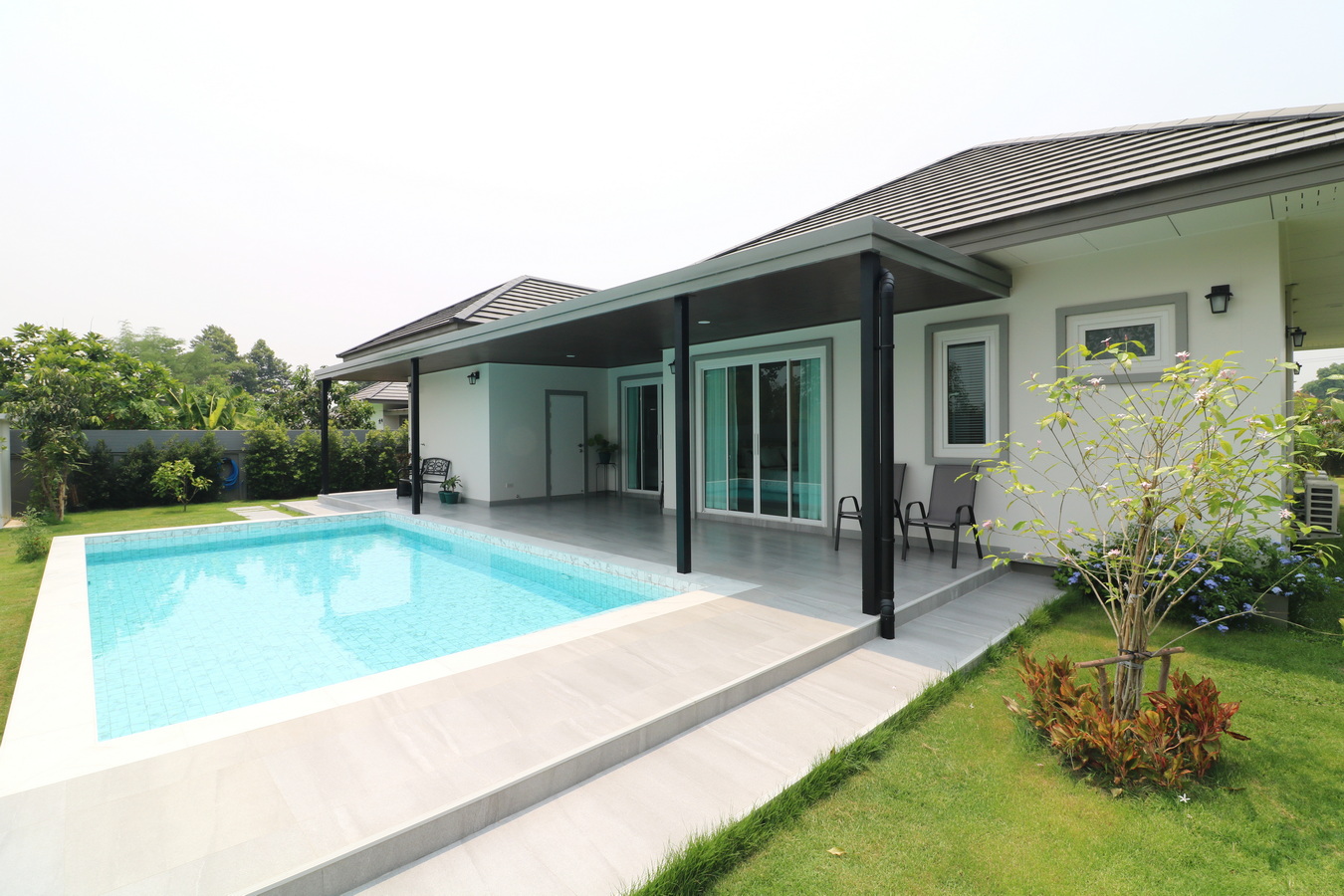
When purchasing property in Thailand, it is essential for foreign buyers to consider not only the price of the property itself but also the various additional costs that may arise during the purchasing process. Understanding these costs can help ensure a smoother transaction and avoid unexpected financial burdens.
In addition to the purchase price, buyers should be aware of several types of costs, including taxes, fees, and ongoing maintenance expenses. These elements can significantly impact the overall financial commitment involved in owning property in Thailand.
Typical Closing Costs for Foreign Buyers
Foreign buyers should be prepared to encounter a range of closing costs when purchasing property in Thailand. Below is a list of typical costs that may be incurred during this process:
- Transfer Fee: This fee is typically 2% of the appraised value of the property and is usually shared between the buyer and seller.
- Stamp Duty: The stamp duty is 0.5% of the sale price or appraised value, whichever is higher, and may apply depending on the circumstances of the sale.
- Withholding Tax: This tax is applicable to sellers and is based on the property value, typically around 1% to 3%, depending on the seller’s tax status.
- Legal Fees: Legal fees for property transactions can range from 1% to 2% of the purchase price, depending on the complexity of the deal.
- Registration Fee: A nominal fee is charged for registering the property with the local Land Office.
- Maintenance Fees: If purchasing in a condominium or managed property, monthly maintenance fees may apply for common area upkeep.
In addition to these costs, it is crucial for buyers to keep in mind the ongoing expenses associated with property ownership, such as property taxes, utilities, and insurance, which should also be factored into the overall budget.
“Budgeting for these costs allows for a more comprehensive understanding of the financial commitment involved in property ownership.”
When planning for the purchase, it is advisable to allocate a certain percentage of the total property price to cover these additional expenses. A common guideline is to set aside approximately 7% to 10% of the purchase price to account for closing costs and initial expenses. This estimation can vary based on the specifics of the property and location, so it is advisable to consult with a local real estate expert who can provide tailored advice and help navigate the financial landscape effectively.
Market Trends and Investment Opportunities
The Thai real estate market has been evolving rapidly, offering foreign investors a dynamic environment to explore lucrative opportunities. As Thailand continues to attract international attention, understanding current market trends is vital for making informed investment decisions. Factors such as economic stability, infrastructural development, and shifts in consumer preferences contribute significantly to the attractiveness of the real estate sector.
The demand for real estate in Thailand remains strong, particularly in urban areas and popular tourist destinations. Emerging trends include the rise of co-living spaces, sustainable developments, and luxury condominiums, reflecting a shift towards more modern living solutions. Moreover, the ongoing government initiatives to enhance infrastructure and promote foreign investment contribute to the positive outlook of the market.
Emerging Areas with Growth Potential
Several areas in Thailand are witnessing significant growth and present excellent investment opportunities. These locations are becoming increasingly popular among foreign buyers and investors:
– Bangkok: The capital city continues to be a hot spot for both residential and commercial properties. Areas like Sukhumvit and Silom are particularly attractive due to their vibrant lifestyle, amenities, and connectivity.
– Pattaya: Known for its beaches and nightlife, Pattaya has seen a resurgence in real estate interest, especially with ongoing developments aimed at enhancing its appeal to both tourists and residents alike.
– Chiang Mai: This northern city offers a more laid-back lifestyle and is gaining popularity as an affordable retirement destination for expatriates.
– Phuket: As Thailand’s premier island destination, Phuket’s real estate market is thriving, with luxury villas and condominiums seeing considerable demand from foreign investors seeking vacation homes.
– Eastern Economic Corridor (EEC): This government-led initiative aims to develop areas like Chonburi, Rayong, and Chachoengsao into economic hubs, driving real estate demand in these regions.
Investors should be aware of various red flags when considering real estate investments in Thailand. Being vigilant can safeguard against potential pitfalls. The following list highlights critical issues to monitor:
– Lack of clear property ownership documentation: Ensure all ownership papers are valid and up-to-date to avoid legal disputes.
– Overpriced properties: Conduct thorough market research to determine fair market value and avoid inflated prices.
– Unfinished developments: Be cautious of projects that are delayed or lack a credible track record, as these might indicate financial instability.
– Incomplete amenities: Verify that all promised facilities and services are available before committing to a purchase.
– Unclear rental regulations: Understand the local laws regarding rental properties to avoid potential legal complications.
Investing in Thai real estate offers numerous opportunities, but careful consideration of market trends, emerging areas, and potential pitfalls is essential for successful investments.
Cultural Considerations for Foreign Buyers
Understanding the cultural landscape of Thailand is essential for foreign buyers who wish to navigate the real estate market successfully. Thailand is rich in tradition and customs that influence various aspects of daily life, including property transactions. Adapting to these cultural nuances can significantly enhance the buying experience and foster trust with local stakeholders.
Cultural factors play a pivotal role in shaping the interactions between foreign buyers and local sellers, as well as real estate professionals. Respect for Thai customs, social etiquette, and communication styles can greatly impact the success of a property purchase. For instance, demonstrating an understanding of the Thai concept of “face,” which revolves around maintaining dignity and respect in social interactions, can lead to more favorable negotiations.
Local Customs and Practices During Property Transactions
A solid grasp of local customs and practices can facilitate smoother property transactions in Thailand. Some key considerations include:
- Greetings and Communication: Initially, greetings are typically polite and formal. A simple ‘Sawasdee’ accompanied by a slight bow or ‘Wai’ gesture is customary. Using respectful language and maintaining a calm demeanor during discussions is important.
- Patience in Negotiations: The Thai negotiation style often involves a slower pace. Buyers should be prepared for prolonged discussions and avoid rushing the process, as this is seen as a sign of disrespect.
- Celebrating Milestones: It is common to celebrate significant transactions with small gestures, such as sharing a meal or drinks. Acknowledging these moments can help build rapport and mutual trust.
Building strong relationships with local real estate agents and service providers is essential for foreign buyers. Establishing trust is often prioritized over transactional efficiency in Thai culture. The following aspects are crucial in fostering these relationships:
- Choosing the Right Agent: Selecting a local agent who understands the foreign buyer’s needs and preferences can make a significant difference. Look for agents who have experience working with international clients.
- Open and Honest Communication: Clear communication about expectations and requirements is vital. Engaging in regular updates and being available for discussions fosters a collaborative relationship.
- Leveraging Local Knowledge: Local agents possess valuable insights into the market trends, legal processes, and potential obstacles. Relying on their expertise can streamline the purchasing process and minimize risks.
Building relationships based on respect and trust can lead to more favorable outcomes in property transactions.
Property Management for Foreign Owners
Foreign property ownership in Thailand offers various opportunities, yet it also comes with unique challenges, particularly concerning property management. Effective management is essential for maintaining property value and ensuring a profitable rental experience. Various options are available for foreign owners to facilitate the management of their investments, ranging from hiring local property management companies to employing on-site staff for direct oversight.
Choosing the right property management solution is crucial for maximizing returns and minimizing stress. Foreign owners can opt for full-service property management companies that handle everything from tenant relations to maintenance and legal compliance, or they may prefer more hands-on approaches involving local caretakers. Below is a summary of the services typically offered by property management companies in Thailand.
Services Offered by Property Management Companies
The following table illustrates common services provided by property management companies, which play a vital role in supporting foreign property owners:
| Service | Description |
|---|---|
| Tenant Screening | Evaluating potential renters through background checks, credit histories, and references to ensure reliable tenancy. |
| Lease Preparation | Drafting and executing lease agreements that comply with Thai law and protect the owner’s interests. |
| Rent Collection | Managing the collection of rent payments, ensuring timely and consistent income for the property owner. |
| Property Maintenance | Overseeing regular maintenance and repairs, including coordination with local service providers for upkeep. |
| Financial Reporting | Providing regular financial updates, including income statements and expense reports for transparency. |
| Legal Compliance | Ensuring that all property management practices adhere to local laws and regulations, reducing legal risks. |
| Marketing and Advertising | Promoting the property to prospective tenants through various channels for effective occupancy rates. |
Implementing best practices for maintaining and renting out property is critical for foreign owners. It is recommended to maintain open communication with property management teams to address any issues promptly. Regular inspections and maintenance can prevent costly repairs and enhance tenant satisfaction, leading to better retention rates. Additionally, foreign owners should familiarize themselves with local rental laws and market conditions to set competitive rental prices and ensure compliance.
Adopting a proactive approach toward tenant relations, such as timely responses to inquiries and maintenance requests, fosters a positive rental experience. Establishing clear policies regarding property use and tenant responsibilities is also advisable to minimize disputes and misunderstandings.
Effective property management is integral to maximizing the value and profitability of foreign investments in Thailand’s real estate market.
Expat Communities and Networking
Thailand is home to a vibrant and diverse population of expatriates, creating a unique environment for those looking to invest in real estate. Expat communities contribute significantly to the local economy, with many international residents purchasing property, establishing businesses, and participating in cultural exchange. This interconnectedness not only enhances the appeal of specific areas but also influences property values and demand.
Networking within these communities can greatly benefit foreign property owners. By connecting with other expatriates, individuals can share insights, experiences, and resources, fostering a sense of belonging while navigating the complexities of real estate in Thailand. Building these connections can lead to valuable recommendations for local services, including property management, legal advice, and investment opportunities.
Popular Expat Communities in Thailand
Numerous regions in Thailand are well-known for their expatriate populations, each offering a unique lifestyle and amenities. Understanding these communities can aid prospective buyers in identifying suitable locations for investment.
- Bangkok: The capital city features a sprawling expat community, particularly in areas such as Sukhumvit, Silom, and Sathorn. These neighborhoods offer a blend of urban living with easy access to international schools, shopping, and dining.
- Chiang Mai: Known for its rich cultural heritage and relaxed atmosphere, Chiang Mai attracts many retirees and digital nomads. The cost of living is lower than in Bangkok, making it an appealing option for property buyers.
- Pattaya: This coastal city is popular among expats seeking a vibrant beach lifestyle. With numerous international restaurants and entertainment options, it is a hub for social activities.
- Phuket: As an island destination, Phuket attracts wealthy expats and tourists alike, with luxury properties and stunning views. The island’s real estate market is booming, especially in areas like Kamala and Kata.
Networking Benefits for Foreign Property Owners
Engaging with fellow expatriates offers multiple advantages that can enhance the property ownership experience in Thailand. Some key benefits include:
- Knowledge Sharing: Expat communities facilitate the exchange of valuable information regarding local property laws, market trends, and investment strategies.
- Support Systems: Establishing connections with other expats can provide emotional and practical support, making the transition to living in Thailand smoother.
- Business Referrals: Networking often leads to recommendations for trusted local services such as real estate agents, lawyers, and property managers, ensuring a more streamlined process.
Online Resources and Forums for Expats
Several online platforms cater to expatriates in Thailand, providing valuable resources for those interested in real estate. These forums and websites foster community engagement and offer practical advice.
- ThaiVisa: This popular forum features discussions on various topics, including real estate, legal matters, and expat life in Thailand.
- Facebook Groups: Groups such as “Expats in Thailand” and “Chiang Mai Expats” allow members to share experiences, ask questions, and network with others.
- Meetup.com: This platform helps expats find local events, networking opportunities, and social gatherings focused on shared interests.
- Expat Life Thailand: A dedicated website offering articles, resources, and community forums for expatriates, catering to both new and established residents.
Future Outlook for Real Estate in Thailand
The future of real estate in Thailand presents a landscape filled with opportunities and challenges for foreign investors. As the country continues to develop, various factors will shape the market dynamics, influencing investment decisions and property values. Understanding these elements is crucial for anyone considering entering the Thai real estate sector.
One of the primary drivers of the real estate market in Thailand is the anticipated growth in the economy, supported by government initiatives and infrastructure development. However, potential challenges, including regulatory changes and global economic fluctuations, could impact foreign investments significantly.
Market Predictions and Trends
Several forecasts indicate that the real estate market in Thailand is poised for steady growth over the next several years. Economic recovery following the global pandemic, combined with increasing tourism and expatriate interest, is expected to bolster property demand.
The following factors are expected to influence market trends:
- Increased Foreign Investment: The Thai government has expressed intentions to attract more foreign investments, which could lead to favorable policies and incentives for foreign buyers.
- Urbanization and Infrastructure Development: Ongoing urbanization, particularly in cities like Bangkok and Chiang Mai, is likely to drive demand for residential and commercial properties.
- Technological Integration: The rise of real estate technology platforms is expected to simplify the purchasing process and improve property management systems, making investment more accessible for foreigners.
- Sustainability Initiatives: Growing awareness about environmental sustainability may lead to an increase in demand for eco-friendly properties, influencing new developments.
Challenges for Foreign Investors
While the prospects for real estate in Thailand appear promising, foreign investors must remain aware of potential challenges. These include:
- Regulatory Hurdles: Changes in property laws and restrictions on foreign ownership can pose risks. Investors must stay informed about legal frameworks and possible reforms.
- Market Volatility: Economic fluctuations, whether local or global, can affect property values and rental yields, necessitating careful market analysis.
- Cultural Barriers: Understanding the local market dynamics, cultural nuances, and negotiation styles is essential for successful transactions.
- Currency Risks: Exchange rate fluctuations can impact the overall cost of investment, particularly for those purchasing in Thai baht.
Global Economic Influences
The real estate market in Thailand is not insulated from global economic conditions. International events, such as economic downturns, geopolitical tensions, and changes in trade policies, can directly impact foreign investment levels and property demand.
The following global trends may exert influence:
- Interest Rate Changes: Global shifts in interest rates can affect mortgage availability and cost, influencing foreign buyers’ purchasing power.
- Travel Trends: The recovery of global tourism post-pandemic will be crucial for the hospitality sector in Thailand, impacting commercial property investments.
- Investment Sentiment: Global economic confidence can sway foreign investors’ willingness to invest in emerging markets like Thailand.
In summary, while the outlook for real estate in Thailand is optimistic, foreign investors must remain vigilant to market changes and global economic conditions. Staying informed and adaptable will be essential for leveraging opportunities in this vibrant market.
Epilogue
In summary, investing in Real Estate in Thailand for Foreigners presents a wealth of opportunities, coupled with unique challenges. By being well-informed about the legal requirements, costs involved, and market trends, foreign buyers can successfully navigate this exciting venture. With the right approach and resources, the Thai real estate market can serve as a lucrative avenue for investment, offering both financial returns and a chance to immerse oneself in Thailand’s vibrant culture.
Essential FAQs
Can foreigners own land in Thailand?
No, foreigners cannot own land in Thailand but can own properties such as condominiums under certain conditions.
What is the typical process for buying property in Thailand?
The process typically involves finding a property, signing a reservation agreement, conducting due diligence, and completing a sales and purchase agreement.
Are there property management services for foreigners in Thailand?
Yes, there are numerous property management companies in Thailand that cater to foreign owners, offering a range of services from maintenance to rental management.
What are the common hidden costs of buying property in Thailand?
Common hidden costs include transfer fees, stamp duty, legal fees, and maintenance costs that can significantly impact the overall budget.
How can I ensure a safe investment in Thai real estate?
To ensure a safe investment, conduct thorough research, verify legal documents, work with reputable agents, and consider hiring a local lawyer.