Smart Homes For Sale In California
Smart Homes for Sale in California sets the stage for this enthralling narrative, offering readers a glimpse into a story that is rich in detail and brimming with originality from the outset. In recent years, the concept of smart homes has transcended mere technological novelty to become a defining feature of modern living. With an array of advanced technologies enhancing convenience, security, and energy efficiency, smart homes are increasingly appealing to discerning buyers in the Golden State.
The current market trends highlight a growing interest in these innovative residences, fueled by the latest advancements in smart technology and the benefits they bring to daily life. From automated lighting systems to integrated home security, the features of smart homes are transforming how we interact with our living spaces, making life more comfortable and efficient.
Overview of Smart Homes
Smart homes represent a groundbreaking shift in residential living, integrating technology to enhance the efficiency, comfort, and security of daily life. A smart home utilizes a network of interconnected devices controlled remotely through a central hub or smartphone application. Features commonly found in smart homes include automated lighting, climate control systems, security cameras, smart locks, and even appliances that can communicate with each other to improve energy management and convenience.
Recent advancements in technology have propelled the popularity of smart homes. Innovations such as the Internet of Things (IoT), artificial intelligence (AI), and improved wireless connectivity have allowed homeowners to seamlessly integrate various systems within their residences. These technologies enable devices to collect and share data, leading to more personalized and efficient home environments. Moreover, smart home devices often feature voice recognition capabilities, allowing users to operate them through simple commands, thus enhancing user experience.
Benefits of Smart Homes
Living in a smart home offers numerous advantages over traditional homes, transforming everyday living into a more efficient and enjoyable experience. The following points highlight the key benefits of smart homes:
- Enhanced Efficiency: Smart homes optimize energy usage through automated systems that adjust heating, cooling, and lighting based on occupancy and preferences. For example, smart thermostats can learn the homeowner’s schedule and adjust temperatures accordingly, potentially reducing energy bills by up to 15%.
- Increased Security: With smart security systems, homeowners can monitor their properties remotely. Devices such as smart locks and surveillance cameras provide peace of mind by allowing for real-time alerts and video feeds.
- Convenience: Smart homes facilitate everyday tasks through automation, such as scheduling lights to turn on at dusk or using voice commands to control appliances. This level of convenience can significantly enhance daily routines.
- Improved Comfort: A smart home can adapt to individual preferences, adjusting lighting and temperature to create an optimal living environment. For instance, automated window shades can be programmed to open and close based on the time of day or sunlight exposure.
- Increased Property Value: The integration of smart technology can make a home more attractive to potential buyers, enhancing its market value. Homes equipped with smart features often sell for a premium, reflecting the growing demand for technologically advanced living spaces.
Smart homes not only represent the future of residential living but also significantly enhance the quality of life by combining comfort, efficiency, and security.
Market Trends for Smart Homes in California
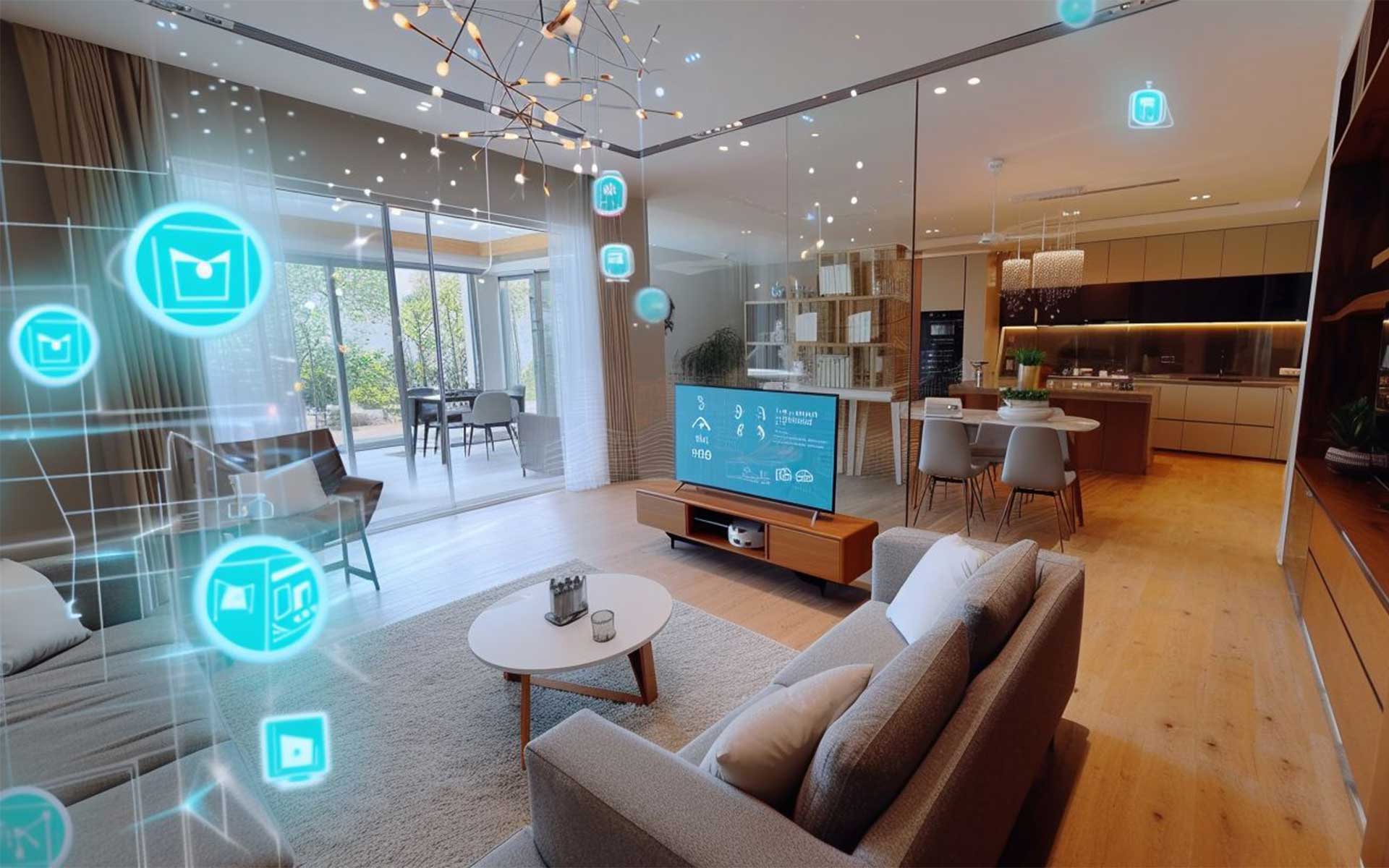
The smart home market in California is experiencing significant growth, driven by technological advancements, increased consumer awareness, and the desire for enhanced convenience and security. As one of the leading states in technological innovation, California is at the forefront of the smart home trend, attracting a diverse range of buyers eager to integrate modern technology into their living spaces.
Recent statistics indicate a robust increase in smart home sales across the state. According to a report by Statista, the smart home market in California was valued at approximately $3.5 billion in 2022 and is projected to grow at a compound annual growth rate (CAGR) of 25% over the next five years. This surge can be attributed to factors such as the growing internet of things (IoT) ecosystem, competitive pricing of smart devices, and heightened consumer interest in energy efficiency and home automation.
Key Demographics Interested in Smart Homes
Understanding the demographics driving the demand for smart homes is crucial for industry stakeholders. Several key groups have emerged as primary buyers in this evolving market:
- Millennials: This tech-savvy generation represents a significant portion of smart home purchases. With an increasing number of millennials entering the housing market, their preference for technology integration plays a pivotal role in shaping market trends.
- Families: Households with children are increasingly investing in smart home technology for safety and convenience features, such as smart locks, security cameras, and voice-controlled systems.
- Retirees: Older adults are recognizing the benefits of smart homes, particularly in terms of health monitoring and enhancing accessibility, making them an important demographic in this market.
- Environmentally Conscious Consumers: Individuals focused on sustainability are drawn to energy-efficient smart home products that can help reduce utility costs and carbon footprints.
The continuous evolution of consumer preferences and technological capabilities ensures that the smart home market in California will remain dynamic and responsive to the needs of these diverse groups. As developers and real estate agents adapt to these trends, the integration of smart technologies into new and existing homes will only accelerate, reflecting consumers’ growing expectations for modern living environments.
Popular Smart Home Technologies
Smart home technologies have revolutionized the way we interact with our living spaces, enhancing convenience, efficiency, and security. These advanced solutions integrate seamlessly into our daily routines, providing a level of automation and control that was once considered futuristic. From lighting systems to security features, the variety of smart home technologies available caters to diverse needs and preferences.
Smart home devices can be classified into several categories, each serving specific functions that collectively contribute to an interconnected living environment. Below is a detailed overview of the most common technologies found in smart homes.
Common Smart Home Devices
Understanding the core devices that comprise a smart home ecosystem is crucial for potential buyers. The following list Artikels the most prevalent smart home technologies, highlighting their functions:
- Smart Speakers: Devices like Amazon Echo and Google Nest Hub serve not only as voice-activated assistants but also as central hubs for controlling other smart devices through voice commands.
- Smart Lighting: Smart bulbs, such as Philips Hue, allow users to customize lighting settings, automate schedules, and control brightness and color temperature via smartphone apps or voice commands.
- Smart Thermostats: Thermostats like Nest Learning Thermostat adjust heating and cooling based on user behavior and preferences, optimizing energy efficiency.
- Smart Security Cameras: Devices such as Arlo and Ring provide real-time monitoring and alerts for unusual activity, enhancing home security.
- Smart Locks: Keyless entry systems like August Smart Lock enable remote locking and unlocking, user access control, and monitoring of entry activity.
- Smart Appliances: Refrigerators, washers, and ovens equipped with smart technology can be controlled remotely, send notifications, and even optimize their functions based on user habits.
Comparison of Smart Home Devices
Selecting the right smart home devices involves understanding their features and how they interact with one another. The table below compares some popular smart home technologies based on key attributes:
| Device Type | Main Features | Connectivity | Integration Compatibility |
|---|---|---|---|
| Smart Speaker | Voice control, music streaming, home automation hub | Wi-Fi, Bluetooth | Compatible with multiple smart devices and ecosystems |
| Smart Thermostat | Learning capabilities, remote control, energy reports | Wi-Fi | Works with various HVAC systems and smart home platforms |
| Smart Security Camera | Live streaming, motion detection, cloud storage | Wi-Fi | Integrates with smart locks and alarm systems |
| Smart Lock | Remote access, user management, activity logs | Wi-Fi, Bluetooth | Compatible with smart home assistants and security systems |
| Smart Lighting | Color customization, scheduling, energy monitoring | Wi-Fi, Zigbee | Works with voice assistants and other smart home devices |
Integration of Smart Home Systems
The effectiveness of smart home technologies lies in their ability to operate seamlessly together. Integration allows devices to communicate, enhancing user experience and efficiency. A typical smart home setup can be optimized through the following strategies:
– Centralized Control: Utilizing smart hubs or applications that centralize device management simplifies user interaction. For example, a user can control lighting, temperature, and security all from one application.
– Automated Routines: Smart devices can be programmed to work in tandem, such as setting lights to turn on when the smart lock is disengaged, ensuring a well-lit entryway.
– Voice Commands: Integration with smart speakers allows users to control multiple devices through simple voice commands, enhancing accessibility and convenience.
– Geofencing: Some devices offer geofencing capabilities that enable automatic adjustments based on user location. For instance, smart thermostats can adjust the temperature when the user is close to home, optimizing energy use.
Effective integration not only enhances user convenience but also promotes energy efficiency and security throughout the home.
Smart Home Listings in California

California has become a leading market for smart homes, attracting a diverse range of buyers interested in modern technology and convenience. The demand for these innovative properties continues to grow, as more homeowners seek to integrate technology into their living spaces for enhanced comfort, security, and energy efficiency. This segment will explore available smart home listings across the Golden State, highlighting popular regions and average pricing trends relevant to prospective buyers.
Available Smart Home Listings
California boasts a variety of smart homes currently listed for sale, showcasing advanced features and cutting-edge technology. The properties range from luxurious estates to contemporary townhomes, providing options for different lifestyles and budgets.
- Los Angeles: A modern 3-bedroom, 2-bathroom smart home featuring a fully integrated home automation system, energy-efficient appliances, and state-of-the-art security features, listed at $1.2 million.
- San Francisco: A chic 2-bedroom, 2-bathroom condo with smart thermostats, lighting controls, and voice-activated assistants, priced at $1.5 million.
- San Diego: A family-friendly 4-bedroom, 3-bathroom residence equipped with comprehensive smart home technology including remote monitoring and automation, available for $850,000.
- Silicon Valley: An upscale 5-bedroom estate featuring the latest smart home innovations, including automated climate control, smart security, and entertainment systems, listed at $3 million.
Popular Regions for Smart Home Listings
Several regions in California have emerged as hotspots for smart home listings, each offering unique characteristics and amenities that appeal to tech-savvy buyers.
- Los Angeles: Known for its vibrant lifestyle and diverse neighborhoods, the demand for smart homes in Los Angeles reflects the city’s trend towards modernization and innovation.
- San Francisco Bay Area: Renowned as a technology hub, this area features numerous smart homes that attract professionals in the tech industry, often equipped with the latest advancements.
- San Diego: With its desirable climate and coastal lifestyle, San Diego offers a growing number of smart homes that blend outdoor living with modern technology.
- Orange County: This region combines suburban charm with tech-savvy amenities, making it an attractive option for families looking for smart homes.
Average Pricing of Smart Homes in California Neighborhoods
Understanding the average pricing of smart homes across various neighborhoods can guide buyers in making informed decisions. The real estate market for smart homes is dynamic, with prices reflecting the technology features, location, and overall demand.
| Neighborhood | Average Price | Features |
|---|---|---|
| Los Angeles | $1.2 million | Integrated smart technology, security systems |
| San Francisco | $1.5 million | Smart lighting, energy-efficient appliances |
| San Diego | $850,000 | Home automation, remote monitoring |
| Silicon Valley | $3 million | Advanced security, climate control |
| Orange County | $1 million | Smart home compatibility, family-friendly features |
Financing and Incentives for Smart Home Buyers
The acquisition of smart homes in California presents unique financial opportunities and incentives aimed at boosting energy efficiency and sustainable living. Understanding the available financing options and government incentives can significantly ease the home-buying process while promoting environmentally friendly practices.
Financing Options for Purchasing Smart Homes
Several financing options are available for buyers interested in smart homes. These options often come with favorable terms, especially for properties that meet energy-efficient standards. The most common financing avenues include:
- Conventional Mortgages: Traditional loans offered by banks and financial institutions that can cover the purchase of smart homes, often with down payment requirements ranging from 3% to 20%.
- FHA Loans: Federal Housing Administration loans that allow lower down payments and are flexible with credit scores, making them accessible for first-time homebuyers of smart homes.
- VA Loans: Available to eligible veterans, these loans offer zero down payment options and competitive interest rates for purchasing smart homes.
- Energy-Efficient Mortgages (EEMs): Loans that allow buyers to finance the cost of energy-efficient improvements in conjunction with their mortgage, enhancing affordability for smart home features.
State and Federal Incentives for Energy-Efficient Smart Homes
California offers various incentives at both state and federal levels to encourage the adoption of energy-efficient technologies in homes. These incentives often include tax credits, rebates, and grants aimed at reducing upfront costs for buyers. Some notable programs include:
- California Solar Initiative: A rebate program that provides financial incentives for purchasing solar energy systems, which can be integral to smart home designs.
- Energy Star Tax Credit: Federal tax credits for homeowners who make energy-efficient improvements, including installation of qualified smart home technologies.
- California Home Energy Retrofit Coordinating Committee (HERC): Programs that offer financial assistance for energy-efficiency upgrades, including smart thermostats and energy monitoring systems.
Applying for Incentives When Buying a Smart Home
The application process for incentives can be straightforward, provided buyers follow a systematic approach. Here is a step-by-step guide to applying for available incentives:
- Research Available Programs: Begin by researching both state and federal programs applicable to your specific situation and location.
- Consult with Professionals: Engage with real estate agents or financial advisors who specialize in smart homes to gain insights on current incentives.
- Gather Required Documentation: Collect necessary documents such as income verification, proof of home purchase, and details about the smart technologies implemented.
- Complete Application Forms: Fill out the specific application forms for each incentive program, ensuring that all information is accurate and complete.
- Submit Applications: Submit your applications according to the specified guidelines, paying attention to deadlines to ensure eligibility.
- Follow Up: After submission, follow up with the respective agencies to track the status of your applications and resolve any issues if necessary.
By effectively utilizing financing options and available incentives, buyers can significantly lower the costs associated with purchasing smart homes while contributing to a sustainable future.
Challenges and Considerations
The integration of smart technology into homes offers numerous benefits, but potential homebuyers should be mindful of the unique challenges associated with smart homes. These challenges can range from technological compatibility to security concerns, making it essential for buyers to approach their purchase with informed caution. Understanding these considerations can facilitate a smoother transition into the realm of smart living.
Challenges Faced by Homebuyers
Homebuyers may encounter several challenges when purchasing a smart home. The complexity of smart home systems requires a level of technical understanding that may not be familiar to all buyers.
The following are key challenges to consider:
- Compatibility Issues: Different brands and systems may not work well together, leading to potential integration problems.
- Learning Curve: New users must learn how to operate various smart devices, which can be overwhelming for those less tech-savvy.
- Dependence on Internet Connectivity: Smart homes require stable internet connections; interruptions can disrupt functionality.
- Future-proofing Concerns: Rapid advancements in technology may render current systems obsolete more quickly than traditional systems.
Privacy and Security Considerations
With smart devices collecting and transmitting personal data, privacy and security are significant concerns for buyers.
Key considerations in this domain include:
- Data Vulnerability: Smart devices can be susceptible to hacking, raising concerns about unauthorized access to personal information.
- User Agreements and Settings: Buyers must navigate complex user agreements, often overlooking privacy settings that could safeguard their data.
- Monitoring and Surveillance: Devices like smart cameras and doorbells can monitor activity, raising ethical concerns about surveillance in personal spaces.
It is crucial for homeowners to implement robust security measures, such as strong passwords and two-factor authentication, to protect their privacy.
Maintenance Requirements for Smart Homes, Smart Homes for Sale in California
The maintenance of smart homes differs notably from that of traditional homes, as the former relies more heavily on technology.
The following aspects highlight these differences:
- Software Updates: Smart devices require regular software updates to function optimally and securely, necessitating more frequent management than traditional systems.
- Device Lifespan: The lifespan of smart devices may vary significantly, with some necessitating replacement or upgrades every few years due to technological advancements.
- Technical Support: Homeowners may require ongoing technical support for troubleshooting, which can incur additional costs.
- Integration Maintenance: Keeping various devices synchronized may require periodic adjustments, unlike traditional homes where systems are more straightforward.
Regular maintenance and updates are vital in ensuring the long-term functionality and security of smart home systems.
Future of Smart Homes in California
As California embraces a tech-driven future, the evolution of smart homes is poised to transform the residential landscape over the next decade. The convergence of advanced technologies and a growing emphasis on sustainability will redefine how homes operate, enhancing convenience, security, and energy efficiency for homeowners across the state.
The future of smart homes in California is expected to be characterized by several key trends, driven by rapid technological advancements and an increasing demand for sustainable living solutions. With the state’s commitment to reducing carbon emissions and promoting clean energy, innovative smart home technologies will play a pivotal role in achieving these goals.
Anticipated Trends in Smart Home Technology
The integration of cutting-edge technologies into smart homes will significantly enhance operational efficiency and user experience. Several anticipated trends will likely shape this landscape:
- Artificial Intelligence Integration: Smart homes will increasingly utilize AI algorithms to learn and adapt to user preferences, optimizing energy consumption and automating routine tasks.
- Enhanced Connectivity: The advancement of 5G technology will enable seamless connectivity among devices, ensuring that smart home systems function reliably and in real-time.
- Home Automation Systems: Comprehensive automation solutions will allow homeowners to manage everything from lighting to security systems through a single platform, improving ease of use and accessibility.
- Advanced Security Features: Developments in biometric technology and facial recognition systems will enhance home security, providing personalized access and monitoring capabilities.
- Smart Appliances: The market for smart appliances will expand, with devices that communicate with each other to optimize energy use and functionality, such as smart refrigerators that suggest recipes based on available ingredients.
Smart Homes and Sustainable Living
Smart homes are set to play a crucial role in promoting sustainable living practices in California. The state’s focus on environmental responsibility creates a fertile ground for technologies that reduce energy consumption and minimize waste.
The implementation of renewable energy solutions, such as solar panels and home battery systems, will empower homeowners to harness clean energy, significantly reducing their carbon footprint. As smart home systems become increasingly integrated with renewable energy sources, the following elements will highlight their potential impact on sustainable living:
- Energy Efficiency: Smart thermostats and energy management systems will enable homeowners to monitor and control energy usage, leading to lower utility bills and reduced greenhouse gas emissions.
- Water Conservation: Smart irrigation systems will optimize water usage in landscaping by utilizing weather data and soil moisture levels, contributing to California’s efforts to conserve water resources.
- Waste Reduction: Smart home technologies can facilitate better waste management by providing real-time data on recycling and composting efforts, promoting environmentally responsible practices.
- Electric Vehicle Integration: Future smart homes may include dedicated charging stations for electric vehicles, encouraging the adoption of zero-emission transportation options.
The trajectory of smart homes in California promises advancements that will not only enhance the quality of life for residents but also align with the state’s ambitious environmental goals. As technology continues to evolve, the integration of smart home systems will pave the way for greener, more efficient living spaces, making California a leader in sustainable residential innovation.
Final Wrap-Up: Smart Homes For Sale In California
In conclusion, the exploration of Smart Homes for Sale in California reveals a dynamic real estate landscape where technology meets lifestyle. As potential buyers navigate their options, understanding the advantages and considerations of smart living is crucial. With the continuous growth of this market, it is clear that smart homes will play an essential role in shaping the future of housing in California.
FAQ Insights
What are the main benefits of smart homes?
Smart homes offer enhanced security, energy efficiency, and convenience, allowing homeowners to control various aspects of their homes remotely.
How do I finance a smart home purchase?
Financing options for smart homes include traditional mortgages, specialized loans, and state incentives for energy-efficient properties.
Are smart homes more expensive than traditional homes?
While smart homes may have a higher initial cost, they often provide long-term savings through energy efficiency and reduced utility bills.
What are common smart home technologies?
Common technologies include smart thermostats, security cameras, lighting systems, and home automation hubs.
Do smart homes require special maintenance?
Smart homes may require specific software updates and tech support, but overall maintenance is similar to traditional homes.