Tiny Homes For Sale In Usa 2025
Tiny Homes for Sale in USA 2025 presents a fascinating glimpse into a growing trend that is reshaping the American housing landscape. As the appeal of minimalism and sustainable living continues to rise, tiny homes have emerged as a practical solution for many individuals seeking affordable and environmentally friendly housing options. This overview will detail the benefits, styles, and market dynamics of these innovative living spaces.
From their eco-friendly designs to their financial advantages, tiny homes offer a unique lifestyle that caters to a diverse demographic. In 2025, the tiny home market is set to expand further, with various styles and construction methods that reflect personal tastes and sustainable living practices. This discussion will illuminate the evolving landscape of tiny homes across the United States, showcasing not only their design but also their growing community presence and financing options.
Overview of Tiny Homes
The concept of tiny homes has gained significant traction in the USA as individuals and families seek more minimalist living options. These compact dwellings, often measuring less than 400 square feet, offer a unique lifestyle that prioritizes simplicity and efficiency. With an increasing focus on sustainability and economic considerations, tiny homes have become an appealing alternative to traditional housing, allowing residents to embrace a life with fewer material possessions and a smaller environmental footprint.
The benefits of living in a tiny home extend beyond just the reduction in size. Financial savings are a major factor, as tiny homes often require much lower mortgage payments or can be purchased outright for a fraction of the cost of a conventional home. Additionally, tiny homes promote a sustainable lifestyle by minimizing energy consumption and encouraging the use of eco-friendly materials. This shift towards smaller living spaces also fosters a greater connection with nature and the surrounding community, as residents often find themselves engaging in outdoor activities and local events that enhance their overall quality of life.
Styles and Designs of Tiny Homes in 2025
The variety of styles and designs available in 2025 reflects the customization options that tiny homes can offer to prospective owners. Each design caters to different tastes and needs, ensuring that anyone can find a tiny home that feels uniquely theirs. Among the notable styles are:
- Modern Minimalist: Characterized by clean lines, open floor plans, and a focus on functionality, these homes often use natural materials and promote open living spaces.
- Rustic Cabin: Emphasizing warmth and comfort, this style incorporates wood elements and cozy interiors, often situated in natural, wooded settings.
- Container Homes: Constructed from repurposed shipping containers, these homes are both innovative and environmentally friendly, offering a robust structure that can be customized extensively.
- Eco-friendly Designs: Utilizing sustainable materials and energy-efficient technologies, these homes aim to reduce environmental impact and often feature solar panels and rainwater collection systems.
- Mobile Tiny Homes: Built on trailers, these homes offer the flexibility of mobility, allowing owners to relocate easily while still enjoying the comforts of home.
The growing popularity of tiny homes in the USA indicates a shift towards mindful living and a renewed focus on what truly matters. With their diverse styles and practical advantages, tiny homes present a viable option for those looking to simplify their lives while maintaining personal expression and sustainability.
Market Trends in 2025
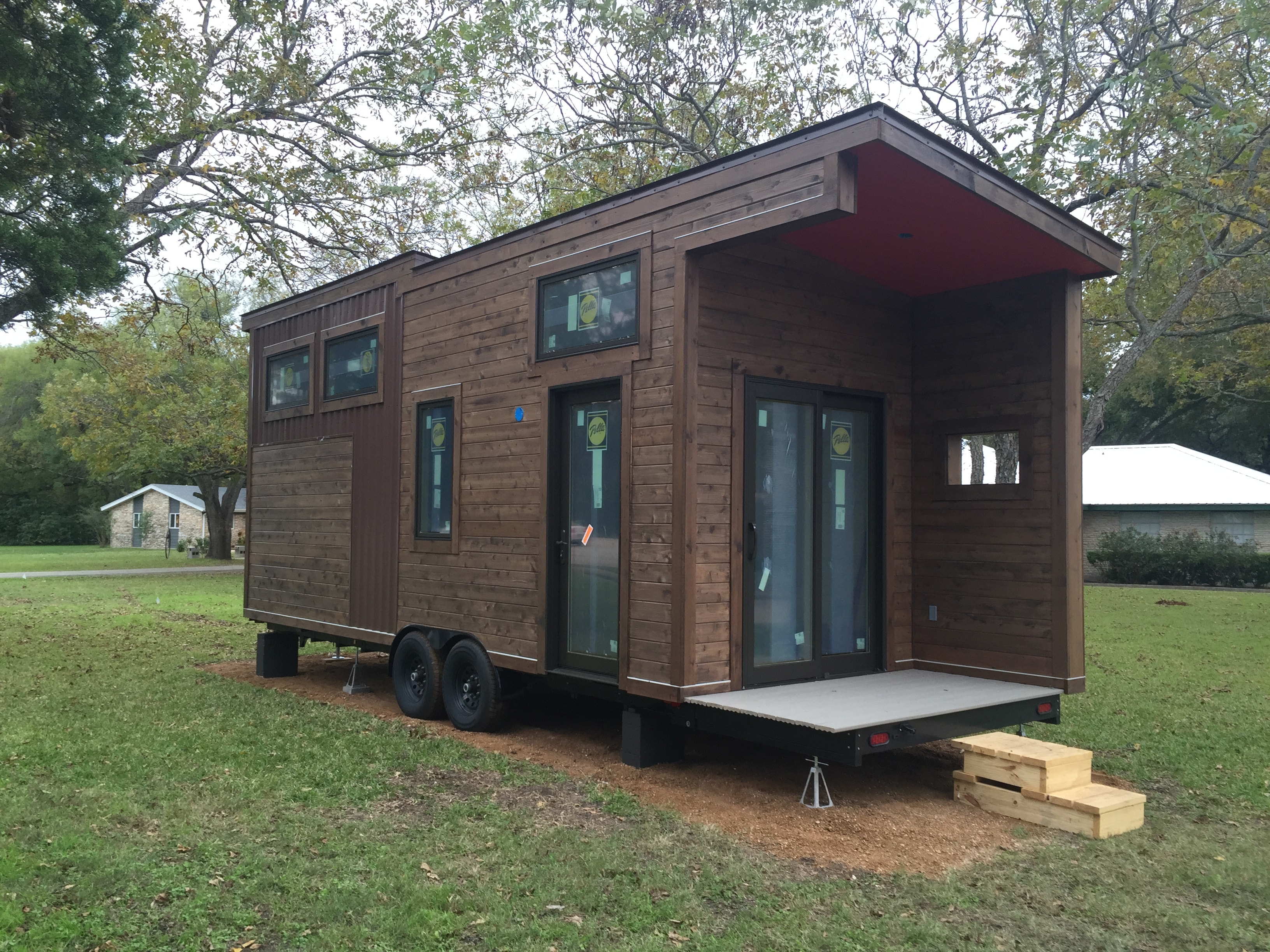
The tiny home market in the USA has witnessed significant evolution and expansion over the past few years, driven by changing consumer preferences and a growing desire for sustainable living. As of 2025, several key market trends have emerged, highlighting the increasing acceptance and popularity of tiny homes among a diverse range of buyers.
One of the most striking trends in the tiny home market is its impressive growth trajectory. Recent statistics indicate that the tiny home industry has experienced a compound annual growth rate (CAGR) of approximately 7% from 2020 to 2025. This growth can be attributed to various factors, including rising housing costs, a growing interest in minimalist living, and an increasing awareness of environmental sustainability. According to a report from market research firms, the tiny home market was valued at around $1 billion in 2020, and projections suggest it could exceed $3 billion by 2025.
Demographics of Tiny Home Buyers in 2025
The demographic landscape of tiny home buyers has shifted significantly, revealing a broad spectrum of individuals and families interested in this housing alternative. Understanding these demographics is crucial for stakeholders in the tiny home market, as it informs design, marketing strategies, and community planning.
The tiny home buyer demographic can be primarily characterized by the following groups:
- Millennials and Gen Z: Approximately 60% of tiny home buyers in 2025 belong to these younger generations. Many are motivated by financial freedom, environmental concerns, and the desire for a more flexible lifestyle.
- Retirees: A growing percentage of retirees are opting for tiny homes as a means to downsize and reduce maintenance costs. This group values the simplicity and mobility that tiny homes offer.
- Single Professionals: Young professionals are increasingly turning to tiny living to save on housing expenses, enabling them to invest in travel and experiences rather than traditional homeownership.
The lifestyle choices of these demographics reflect a significant trend towards minimalism and sustainability. Many tiny home buyers prioritize eco-friendly materials, efficient designs, and energy-saving features. Furthermore, the average age of tiny home buyers has also been decreasing, with many new owners in their late 20s to early 30s actively seeking to live more sustainably and affordably.
“The tiny home movement represents not just a housing trend, but a cultural shift towards intentional living and environmental consciousness.”
The tiny home market in 2025 is characterized by diverse demographics with a collective emphasis on sustainability, affordability, and lifestyle flexibility, indicating a promising future for this housing niche.
Locations for Tiny Homes
The tiny home movement has taken root across the United States, and 2025 sees a significant increase in their popularity. As potential homeowners explore the benefits of downsizing, specific locations have emerged as hotspots for tiny homes, driven by affordability, community, and regulatory support.
Several states have led the charge in tiny home sales, creating fertile ground for this innovative housing option. The following list highlights the top states in the USA where tiny homes are thriving in 2025:
Top States for Tiny Homes in 2025
The selection of states where tiny homes are gaining traction reflects a mix of progressive zoning laws and a culture of embracing minimalistic living. The following states are particularly noteworthy:
- California: Known for its rich diversity and innovative communities, California has several tiny home communities and progressive zoning regulations that support minimalist living.
- Texas: With its vast landscapes and favorable housing laws, Texas is home to numerous tiny home parks and communities, particularly in cities like Austin.
- Florida: The warm climate and booming real estate market make Florida a popular state for tiny homes, especially in communities along the coast.
- Oregon: As a leader in sustainable living, Oregon offers many tiny home communities in picturesque settings, particularly in cities like Portland.
- North Carolina: The state’s growing interest in sustainable and alternative housing options has led to an increase in tiny homes, especially in the Asheville area.
Popular Cities for Tiny Home Communities
Urban areas are increasingly welcoming tiny home communities, responding to the need for affordable housing solutions. The following cities stand out for their vibrant tiny home communities in 2025:
- Austin, Texas: Renowned for its eclectic lifestyle and thriving arts scene, Austin features several tiny home communities that promote sustainable living.
- Portland, Oregon: Known for its progressive stance on housing, Portland has multiple tiny home villages that emphasize community and eco-friendliness.
- Los Angeles, California: With its high housing costs, Los Angeles is seeing a rise in tiny home developments as a solution for affordable living.
- Seattle, Washington: Seattle’s commitment to sustainability has led to the establishment of tiny home communities aimed at providing affordable options for residents.
- Orlando, Florida: The city’s warm climate and growing population have contributed to the development of tiny home parks catering to a diverse group of residents.
Zoning Laws and Regulations Affecting Tiny Home Placements
Understanding zoning laws is crucial for those interested in purchasing or placing tiny homes, as these regulations vary significantly across states. Many areas have begun to adapt their policies to accommodate tiny living, but others remain restrictive.
Important factors regarding zoning laws include:
- Permitting: Many states require specific permits for tiny homes, especially regarding land use and building codes.
- Minimum Size Requirements: Some regions enforce minimum size regulations for homes, which can impact the placement of tiny homes.
- Land Use Designations: Areas designated for residential use may have different regulations compared to commercial or agricultural zones.
- Utility Connections: In some cases, local laws may dictate how tiny homes can connect to utilities, which is essential for long-term living solutions.
- Community Development Plans: Cities may include tiny homes in their future development plans, facilitating zoning adjustments that favor their construction.
Financing Tiny Homes
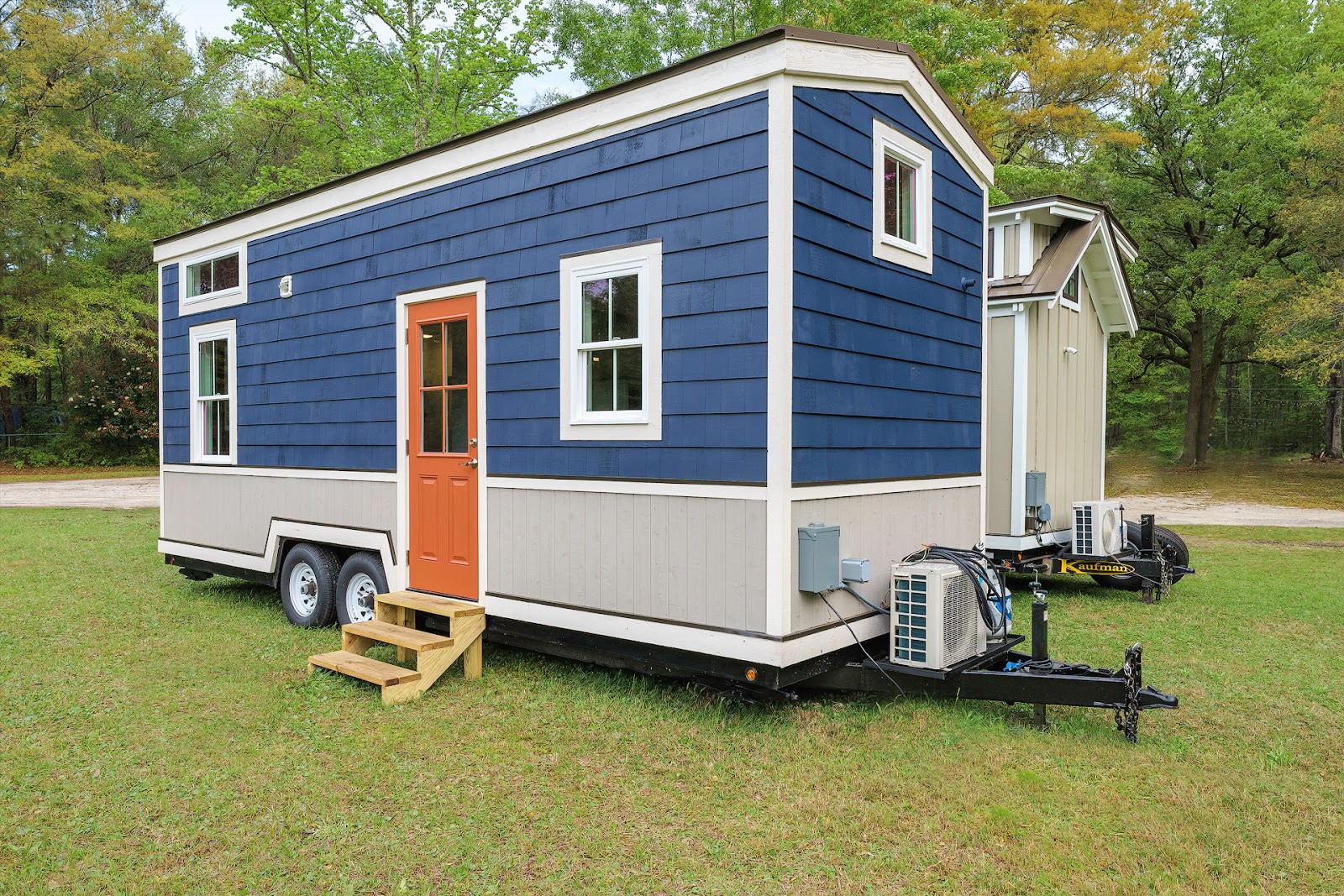
Financing a tiny home can be a complex process, but various options are available to potential buyers in 2025. The growing interest in tiny living has prompted lenders to adapt their offerings, making it easier for individuals to secure funding for these compact dwellings. Understanding the different financing options will empower buyers to make informed decisions that align with their financial goals.
Several financing options are available for purchasing tiny homes, including traditional mortgages, personal loans, and specialized tiny home loans. Each financing avenue comes with its unique set of requirements and terms, catering to the specific needs of tiny home buyers.
Options for Financing Tiny Homes
Understanding the nuances of financing tiny homes is crucial for potential buyers. Here are the primary options available:
- Traditional Mortgages: Some lenders offer mortgages for tiny homes, typically those on a permanent foundation. These loans often come with competitive interest rates and longer repayment terms, making them an appealing option for buyers.
- Personal Loans: For those purchasing tiny homes on wheels or for those who prefer a more flexible financial arrangement, personal loans may be a suitable choice. These loans usually have higher interest rates but can be quicker to obtain.
- Tiny Home-Specific Loans: A few lenders specialize in tiny home financing, offering tailored loans that consider the unique aspects of tiny living. These loans can cover a range of tiny home types, including custom builds and pre-manufactured units.
- Home Equity Loans: Homeowners with equity in their current property can consider home equity loans or lines of credit to finance a tiny home purchase. This option allows them to leverage existing assets to fund their new investment.
Navigating Loans and Mortgages for Tiny Homes
Tiny home buyers face unique challenges when navigating loans and mortgages due to the unconventional nature of these properties. It is essential to gather thorough documentation, including income verification, credit history, and details about the specific tiny home being purchased. Buyers should also be aware of zoning laws and regulations in their desired location, as these factors can influence lender requirements.
When seeking financing, buyers should prioritize lenders experienced in tiny home loans. These lenders often understand the specific needs of tiny home buyers, providing more realistic assessments and tailored terms. It’s also advisable to shop around, as different lenders may offer varying rates and conditions.
Cost Comparison: Tiny Homes vs. Traditional Homes
Analyzing the costs associated with tiny homes in comparison to traditional homes helps potential buyers make informed choices. Tiny homes offer significantly lower upfront costs and ongoing expenses.
| Aspect | Tiny Homes | Traditional Homes |
|---|---|---|
| Average Purchase Price | $30,000 – $60,000 | $300,000 – $500,000 |
| Monthly Mortgage Payment | $300 – $500 | $1,500 – $2,500 |
| Utilities | $100 – $200 | $250 – $400 |
| Insurance Costs | $300 – $800 annually | $1,000 – $2,000 annually |
The financial benefits of tiny homes extend beyond initial purchase costs. With reduced utility bills and lower property taxes, many tiny home owners find themselves with increased disposable income. This stark contrast in financial commitment presents a compelling case for choosing tiny homes as a viable housing alternative in 2025.
Sustainable Living in Tiny Homes
The concept of sustainable living is deeply intertwined with the tiny home movement, as these compact dwellings naturally promote a lifestyle that prioritizes eco-friendliness and energy efficiency. The limited space of tiny homes encourages residents to minimize their material possessions and adopt a mindful approach to consumption, ultimately leading to a lower carbon footprint. In 2025, innovative designs and features will further enhance the sustainability of tiny homes, making them an appealing choice for environmentally conscious individuals and families.
Eco-friendly Features in Tiny Homes
Tiny homes are often equipped with various eco-friendly features that contribute to their sustainable nature. These elements not only reduce environmental impact but can also lead to significant cost savings for homeowners. Key features include:
- Solar Panels: Many tiny homes incorporate solar panels, allowing residents to harness renewable energy, significantly reducing reliance on fossil fuels and utility costs.
- Rainwater Harvesting Systems: These systems collect rainwater for non-potable uses, such as irrigation or flushing toilets, promoting water conservation.
- High-Quality Insulation: Effective insulation materials help maintain comfortable indoor temperatures, thus minimizing the need for heating and cooling systems.
- Energy-efficient Appliances: Tiny homes often feature compact, energy-efficient appliances that use less electricity and water, further enhancing their ecological footprint.
- Recycled and Sustainable Building Materials: Many tiny home builders utilize recycled wood, bamboo, or reclaimed materials, which reduce waste and promote sustainable sourcing practices.
Maximizing Energy Efficiency in Tiny Home Designs
Tiny homes are inherently energy-efficient due to their smaller size, but specific design strategies can further enhance this efficiency. Homeowners can implement various methods to optimize energy usage, such as:
- Orientation and Design: Positioning the home to maximize natural light and heat from the sun can significantly reduce lighting and heating costs.
- LED Lighting: Switching to LED lighting systems ensures lower energy consumption compared to traditional bulbs.
- Smart Home Technology: Utilizing smart thermostats and energy monitors allows residents to track and manage their energy usage more effectively.
- Ventilation Systems: Employing energy recovery ventilators (ERVs) ensures optimal air quality while minimizing heating and cooling losses.
- Compact, Multi-functional Furniture: Designing spaces with furniture that serves multiple purposes helps minimize the need for additional heating or cooling in individual rooms.
Lifestyle Changes Associated with Sustainable Living
Embracing a sustainable lifestyle in a tiny home often requires significant changes in daily habits and mindsets. These adjustments can lead to a more fulfilling and environmentally responsible way of living. Notable lifestyle changes include:
- Minimalism: Residents learn to prioritize experiences over possessions, leading to a more clutter-free and peaceful environment.
- Community Engagement: Living in tiny home communities fosters connections with like-minded individuals, encouraging shared resources and collaborative initiatives.
- Gardening and Food Production: Many tiny home dwellers engage in gardening, promoting self-sufficiency and access to fresh produce while reducing reliance on commercial agriculture.
- Mindful Consumption: With limited space, homeowners become more conscious of their purchases, opting for sustainable and ethically produced items.
- Outdoor Living: The smaller indoor spaces encourage residents to spend more time outdoors, enhancing physical health and well-being while connecting with nature.
Adopting a tiny home lifestyle not only contributes to personal well-being but also significantly impacts environmental conservation efforts.
Tiny Home Construction
The construction of a tiny home involves a careful and thoughtful process that emphasizes efficiency and sustainability. Building a tiny home requires a clear vision, adherence to regulations, and a selection of appropriate materials to ensure the structure is durable, functional, and eco-friendly. The construction timeline can vary significantly based on design choices, material availability, and the builder’s expertise.
Construction Process Overview
The construction of a tiny home typically follows a structured process, which can be broken down into several key stages:
1. Design and Planning: This initial phase includes drafting floor plans, obtaining necessary permits, and selecting the overall layout of the home. This stage is crucial as it determines the efficiency of space utilization and compliance with local building codes.
2. Foundation and Framing: Depending on the type of tiny home (mobile or stationary), the foundation may vary. Common options include trailer foundations for mobility or concrete slabs for stability. Framing is the next step, where the home’s structure is built using either wood or metal, ensuring it can withstand environmental conditions.
3. Exterior Work: This involves installing walls, roofing, and windows. Choices of siding materials, like wood, metal, or vinyl, play a significant role in aesthetics and durability. Proper insulation is also implemented at this stage to enhance energy efficiency.
4. Interior Finishing: Once the exterior is complete, the interior is finished. This includes installing plumbing, electrical systems, flooring, and cabinetry. The goal here is to create a comfortable living space that maximizes functionality while maintaining style.
5. Final Inspection and Move-in: Before moving in, a final inspection is performed to ensure the home meets all safety and building standards. Any final adjustments or touch-ups are completed at this stage.
Materials Used in Tiny Home Construction
The selection of materials is vital when constructing a tiny home. The choice of materials impacts the structure’s durability, insulation properties, and aesthetic appeal. Below are commonly used materials in tiny home construction along with their benefits:
- Wood: A popular choice due to its versatility and ease of use. Wood offers excellent insulation properties and can be sourced sustainably, making it an eco-friendly option.
- Steel: Known for its strength and durability, steel framing is resistant to pests and weather-related damage. It’s particularly beneficial for tiny homes located in severe climates.
- Insulation Materials: Options like spray foam, fiberglass, or cellulose are used to enhance energy efficiency, ensuring the home remains comfortable in varying temperatures.
- Recycled Materials: Utilizing reclaimed wood or recycled steel not only reduces waste but also adds unique character to the tiny home.
- Eco-friendly Finishes: Non-toxic paints, stains, and sealants are preferred to maintain healthy indoor air quality, aligning with sustainable living practices.
Timeline for Building a Tiny Home
The timeline for constructing a tiny home from the design phase to completion can vary widely based on several factors, such as complexity of design, material availability, and individual builder expertise. Typically, the process can take anywhere from a few months to over a year. Below is a general timeline breakdown:
| Phase | Estimated Duration |
|---|---|
| Design and Planning | 2-4 weeks |
| Foundation and Framing | 4-6 weeks |
| Exterior Work | 3-5 weeks |
| Interior Finishing | 4-8 weeks |
| Final Inspection | 1 week |
The successful construction of a tiny home not only depends on effective planning but also on choosing the right materials and following the appropriate construction timeline.
Tiny Home Community Living
Tiny home communities represent a burgeoning lifestyle choice, providing residents with collaborative living environments that prioritize sustainability, affordability, and a strong sense of community. These communities feature clusters of tiny homes, often accompanied by shared spaces and facilities, allowing for a unique blend of private living and communal interaction. The appeal of tiny home communities lies not only in their economic advantages but also in the social benefits they offer to their residents.
Within tiny home communities, the social dynamics foster meaningful interactions among residents, creating a supportive atmosphere that encourages shared experiences and resource sharing. The close proximity of homes allows for spontaneous gatherings, community events, and even cooperative projects, enhancing the quality of life for all members. The interactions in these communities often lead to deep bonds, as residents work together on communal tasks or engage in recreational activities.
Successful Examples of Tiny Home Communities
Numerous tiny home communities across the United States exemplify the successful integration of communal living and tiny home design. These communities inspire potential residents and showcase diverse approaches to community living. Notable examples include:
- Eco Village in Ithaca, New York: A pioneering model of sustainable living, Eco Village offers a vibrant community of eco-friendly homes that emphasize cooperation, education, and environmental stewardship.
- Community First! Village in Austin, Texas: This innovative community focuses on providing permanent housing for the homeless, combining tiny home living with supportive services and a strong community network.
- Tiny House Community in Portland, Oregon: Known for its progressive policies, Portland hosts a tiny home community that promotes sustainability and affordability, with shared gardens and communal spaces fostering neighborly interactions.
- The Tiny House Village in Washington State: Located near Seattle, this community embraces tiny living while providing essential amenities, encouraging a lifestyle that champions minimalism and connection.
Each of these communities showcases how tiny homes can be integrated into a cohesive living environment that prioritizes community interaction, support, and shared values. The unique structure of tiny home communities not only provides housing solutions but also cultivates a sense of belonging and purpose among its residents.
Lifestyle Adaptations
Transitioning to tiny home living presents a unique set of challenges and lifestyle changes that can significantly impact an individual’s day-to-day life. As people embrace this minimalist way of living, it becomes essential to understand both the adjustments necessary for comfort and the potential obstacles that might arise during the transition.
Adapting to a smaller living space requires a reevaluation of personal belongings, daily routines, and expectations of comfort. Individuals moving into tiny homes often face the challenge of downsizing their possessions, learning to live with less, and finding efficient ways to utilize their limited space. This shift can be both liberating and daunting, as it encourages a new perspective on materialism and priorities.
Challenges in Transitioning to Tiny Home Living
The challenges encountered during the transition to tiny homes can be multifaceted. Common difficulties include:
- Downsizing Possessions: Many individuals struggle with the emotional attachment to items they have accumulated over the years. Sorting through belongings and deciding what to keep can be a significant challenge.
- Space Utilization: Learning how to effectively use limited space requires creativity and planning. Many tiny homes feature multifunctional furniture, making it essential to rethink traditional layouts.
- Changing Mindset: Adapting to a minimalist lifestyle necessitates a shift in mindset, embracing simplicity and re-evaluating what is truly essential for happiness.
- Social Adjustments: The shift from living in larger homes to smaller spaces can affect social dynamics, as hosting gatherings may require innovative solutions to accommodate friends and family.
- Financial Considerations: While tiny homes can reduce living expenses, there may be unexpected costs related to land leasing, utility bills, or community fees that require careful budgeting.
Necessary Lifestyle Changes
Adapting to tiny home living also entails specific lifestyle changes that support the unique environment. These changes include:
- Prioritizing Experiences Over Possessions: Residents often find fulfillment in experiences rather than material items, leading to a more meaningful lifestyle.
- Embracing Minimalism: Living with less encourages individuals to focus on quality over quantity, fostering a more sustainable approach to consumption.
- Implementing Efficient Routines: Streamlined daily routines optimize time and space, allowing residents to enjoy life without the clutter of unnecessary tasks.
- Building Community Connections: Many tiny home dwellers find a sense of belonging in tiny home communities, where fostering relationships becomes essential for social interaction.
- Engaging in Outdoor Activities: With limited indoor space, many tiny home residents take advantage of outdoor environments, promoting an active and adventurous lifestyle.
Personal Stories and Testimonials
Real-life experiences from tiny home dwellers offer valuable insights into the lifestyle adaptations required. For instance, Sarah, a tiny home resident, shares,
“Moving into my tiny home was a revelation. I initially felt overwhelmed by the downsizing process, but once I embraced minimalism, I found freedom in letting go of things that no longer served me. Now, I value experiences and the community around me much more than I ever did before.”
Similarly, Tom and Lisa, a couple who transitioned from a traditional home, noted,
“Living in a tiny home has taught us to appreciate every square foot. We’ve learned how to make the most of our space with smart storage solutions and multifunctional furniture. It has changed our outlook on life and what we truly need to be happy.”
These personal accounts highlight the challenges and rewards of tiny home living, showcasing the profound impact of lifestyle adaptations on overall satisfaction and well-being.
Tiny Home Resources
As the tiny home movement continues to gain traction, an array of resources is available to assist potential buyers. These resources include websites, organizations, and communities that provide valuable information, services, and support for those interested in adopting a minimalist lifestyle through tiny homes. Understanding these resources is crucial for making informed decisions and navigating the unique landscape of tiny home ownership.
Resources for Tiny Home Buyers, Tiny Homes for Sale in USA 2025
Numerous websites and organizations serve as excellent starting points for potential tiny home buyers. These resources can provide information on builders, design ideas, zoning laws, and more. Here are some noteworthy resources:
- Tiny House Talk – A comprehensive site offering articles, tips, and showcases of various tiny homes.
- The Tiny Life – A community-centric website filled with resources, including a tiny house blog and a guide to living simply.
- American Tiny House Association – An organization dedicated to advocating for tiny house living, offering resources on legality and community building.
- Tiny Home Builders – A platform that connects buyers with builders and provides educational resources on tiny home construction.
- Tiny House Listings – A marketplace where buyers can find tiny homes for sale across the United States.
Choosing the Right Tiny Home Builder
Selecting a suitable tiny home builder requires careful consideration of various factors. Buyers should ensure that the builder aligns with their vision, budget, and timeline. The following points offer guidance on how to make an informed choice:
- Research Experience: Investigate the builder’s portfolio and reviews to assess their experience and craftsmanship.
- Verify Credentials: Ensure the builder is licensed and insured, and check for any industry certifications.
- Request References: Ask for references from previous clients to gauge satisfaction and build quality.
- Discuss Customization: Confirm whether the builder can accommodate your design preferences and any specific requirements.
- Evaluate Transparency: A reliable builder should provide clear contracts and be upfront about costs and timelines.
Online Forums and Communities
Engagement with online forums and communities allows tiny home enthusiasts to share experiences, advice, and support. These platforms foster a sense of belonging and provide a wealth of information from diverse perspectives. Notable forums include:
- Tiny House Community Forum – A discussion board where members exchange ideas, questions, and solutions related to tiny homes.
- Reddit – r/TinyHouses – A vibrant subreddit dedicated to tiny living, featuring discussions, photos, and DIY tips.
- Facebook Groups – Various groups focus on tiny home living, providing a space for members to connect and share resources.
- Instagram and Pinterest – Social media platforms where users post inspiration, designs, and personal stories related to tiny homes.
“Engagement in tiny home communities not only enriches your knowledge but also builds connections with like-minded individuals.”
Final Review
In conclusion, Tiny Homes for Sale in USA 2025 encapsulates a transformative movement towards compact living that combines efficiency with sustainability. As more individuals and families embrace this lifestyle, the tiny home community continues to thrive, offering a sense of belonging and shared values. The journey towards tiny home living is not just about downsizing; it is about creating a meaningful and sustainable future.
Expert Answers: Tiny Homes For Sale In USA 2025
What are the average costs of tiny homes in 2025?
The average cost of tiny homes in 2025 ranges from $30,000 to $100,000, depending on the size, materials, and customizations chosen by the buyer.
Are tiny homes usually portable?
Many tiny homes are designed to be portable, built on trailers for easy relocation, while others are stationary and built on foundations.
How long does it take to build a tiny home?
The construction of a tiny home typically takes between 3 to 6 months, depending on the complexity of the design and the builder’s schedule.
What are the zoning regulations for tiny homes?
Zoning regulations for tiny homes vary by state and municipality, often requiring specific permits and adherence to local building codes.
Can you get a mortgage for a tiny home?
Yes, there are specialized lenders that offer mortgage options for tiny homes, although they may differ from traditional home loans.